You ever look at the patch of ground under that massive oak tree in your yard and think, “Well, guess that’s where plants go to die”? Yeah, me too.
That area always seems like the Bermuda Triangle for flowers. Too shady. Too dry. Too rooty. Too unforgiving.
But here’s the truth: You can absolutely turn that dead zone into a lush, vibrant masterpiece—you just need the right plants.
I’ve battled the same shady mess in my own yard, and after a few trial-and-errors (let’s not talk about the Great Fern Fail of 2019), I finally cracked the code.
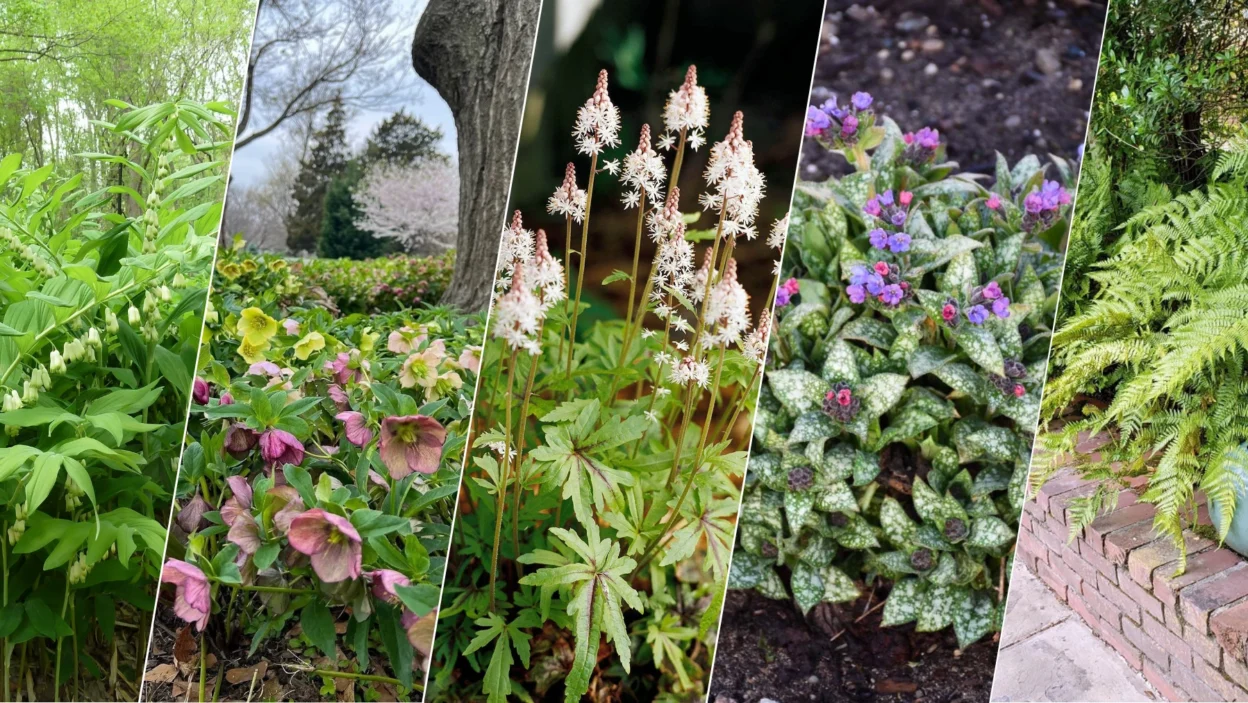
So, if you’re tired of mulch being your only landscaping option under those trees, buckle up, plant-loving friend—I’m about to show you 17 plant champions that actually thrive under trees.
Let’s make that gloomy spot the highlight of your garden instead of the place your lawnmower fears to tread.
1. Hellebores (Lenten Rose)
Let’s kick things off with one of my personal favorites: Hellebores, also known as Lenten Roses. No, they’re not actual roses—you can’t fool me, botanical names—but who cares when they pull off a performance like this?
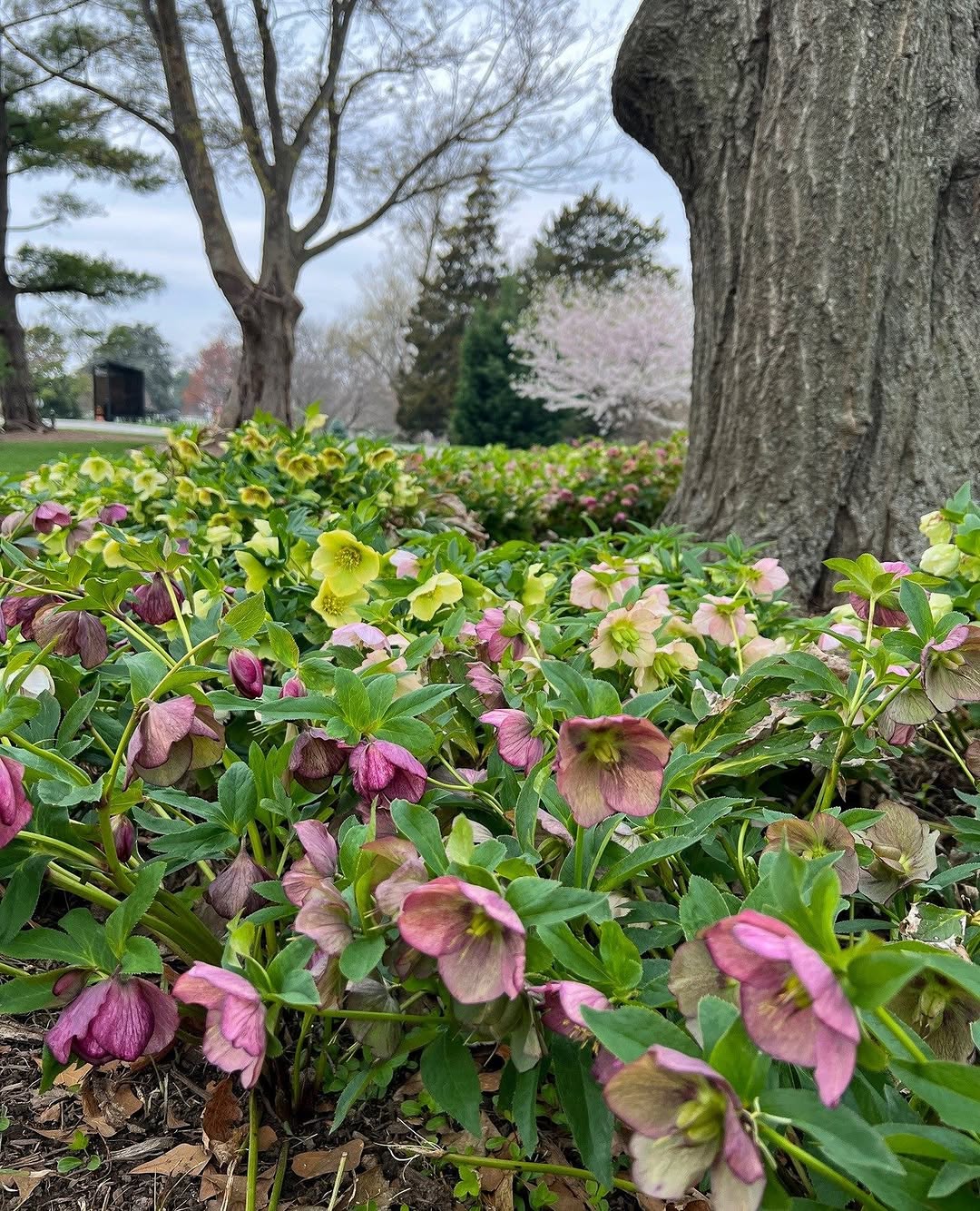
This evergreen perennial laughs in the face of shade. It blooms right in late winter or early spring, when everything else is catching up on sleep. So while your yard may still look like the tail end of a Tim Burton movie, little Hellebores are out there strutting their petals.
These plants come in a range of moody, elegant colors—from deep purples and near-blacks to blush pinks and clean whites. They’re basically the introverts who still manage to own the party.
Why I love them:
I planted a few near the base of my maple tree and forgot about them (oops). Next spring, there they were—blooming, thriving, judging me silently for my neglect.
Quick reminders:
They prefer moist but well-drained soil, and once they’re established, they don’t need much babysitting. Just give them some leaf mulch every year and you’re golden.
2. Hostas
Alright, you saw this one coming. I mean, it’s practically illegal to talk about shade-loving plants without mentioning Hostas.
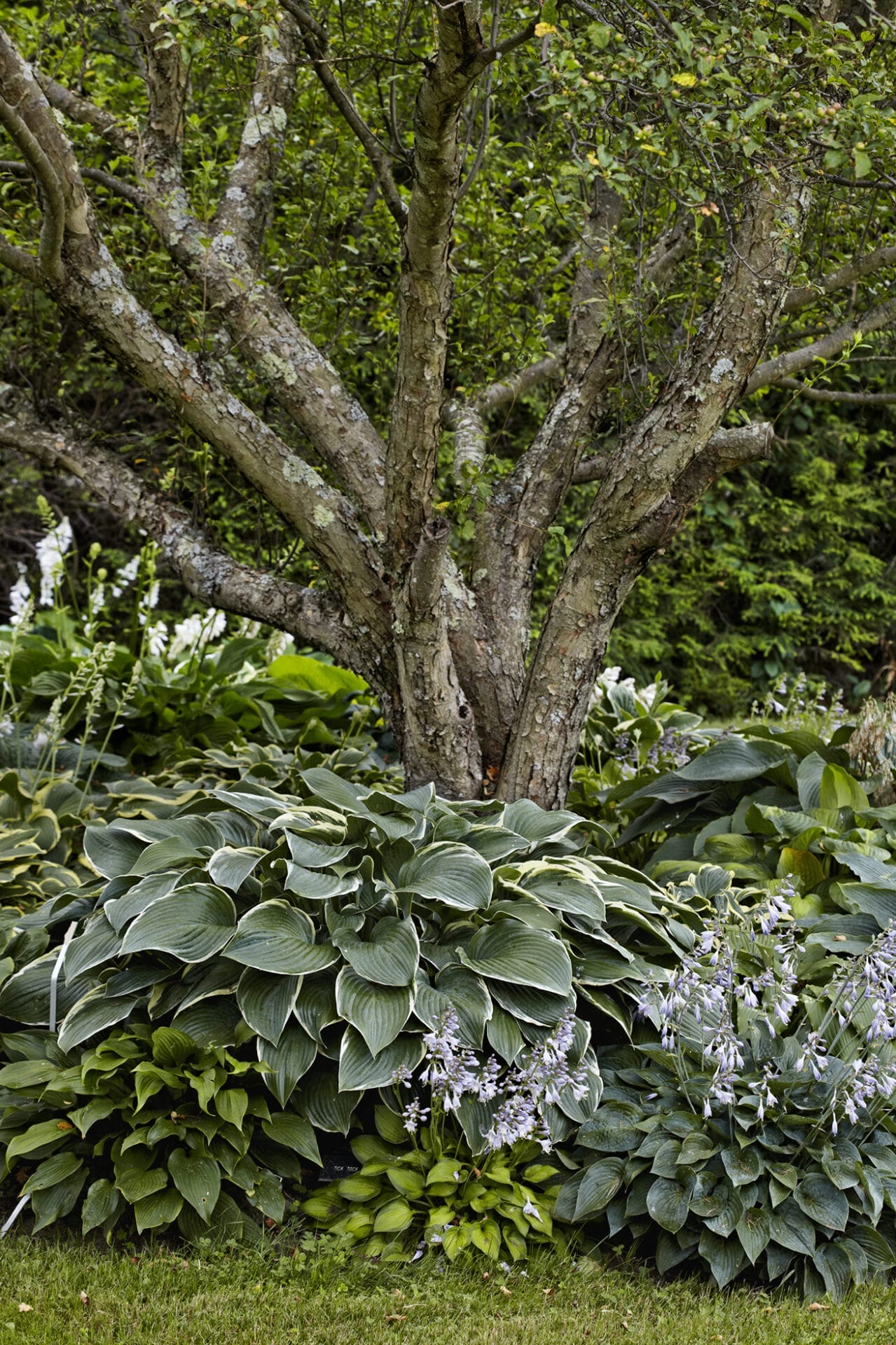
But hear me out before your eyes glaze over: Hostas are the unsung heroes of under-tree landscaping. They’re not just one-size-fits-all, either. There are literally hundreds of varieties, ranging from small, dainty ones to giants with leaves bigger than your face. (No joke—I measured.)
Texture, color, and shape? Check, check, and check.
Their leaves range from deep blue-greens to chartreuse, all the way to creamy variegated ones. They’re the ultimate low-maintenance way to add rich texture and color contrast under trees.
Personal tip:
I’ve had best luck combining different sizes and colors. Place smaller varieties along the edge and let the big boys spread toward the trunk. It looks impressive and takes practically zero effort—that’s my kind of gardening.
Just watch out for slugs. Apparently, Hostas are also the neighborhood buffet.
3. Astilbe
Ever wanted little plumes of color that look like fireworks frozen in time? Yeah? Then let me introduce you to Astilbe.
These plants bring that bright pop of color you usually only get in sunny spots—but they love the shade. Win-win.
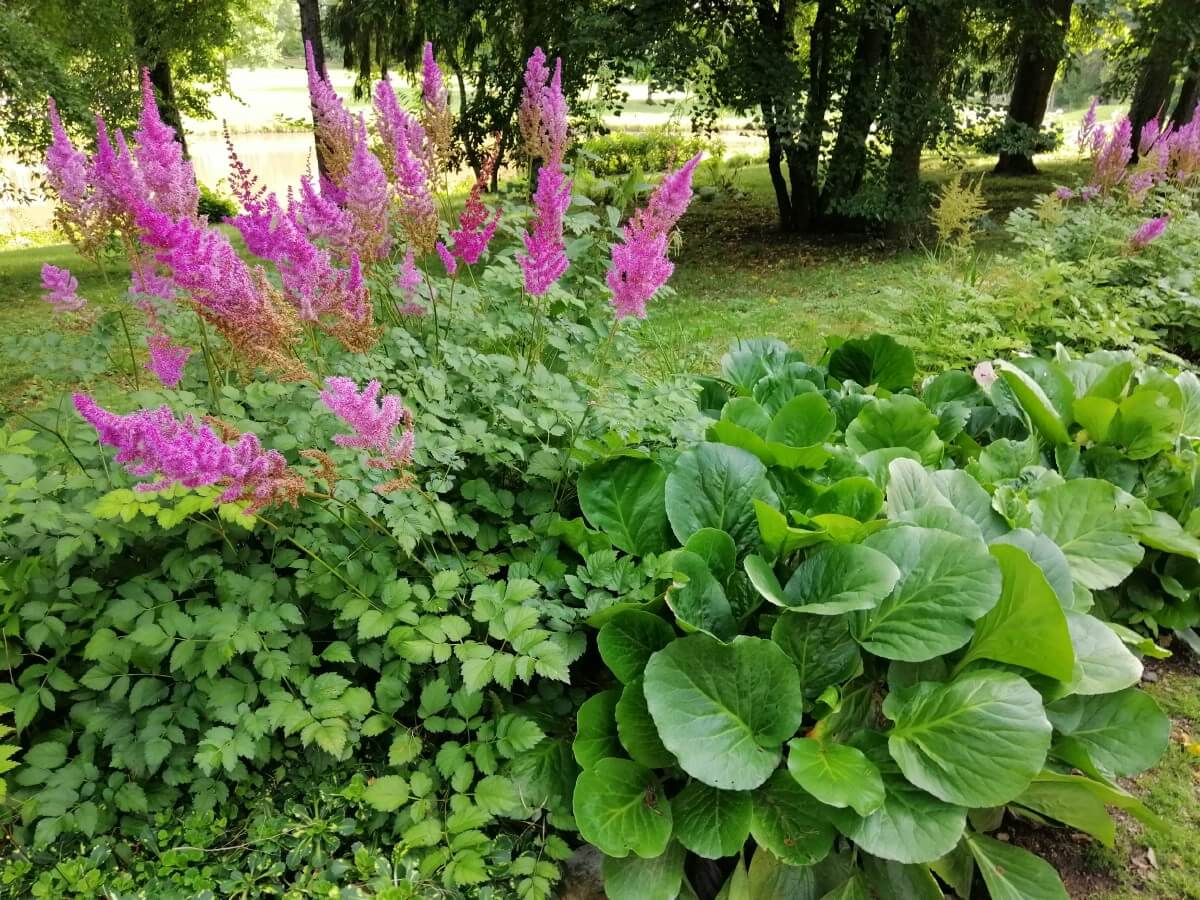
Astilbes throw up feathery flowers in pinks, reds, whites, and purples during early to mid-summer. Their foliage also stays lush and fern-like all season long, which makes them a great option for layering under trees.
Why they’re awesome:
They handle moist, shady conditions like champs, and they’re great for filling gaps between heavier foliage plants like Hostas.
Real talk:
I planted Astilbe in an awkward spot under a pine at the edge of my yard. It gets almost no sun and barely any attention from me—still thriving three years in. Some drama queens, these are not.
4. Ferns (Classic, but Don’t Sneer Yet)
Okay, so ferns aren’t exactly groundbreaking—but man, do they deliver.
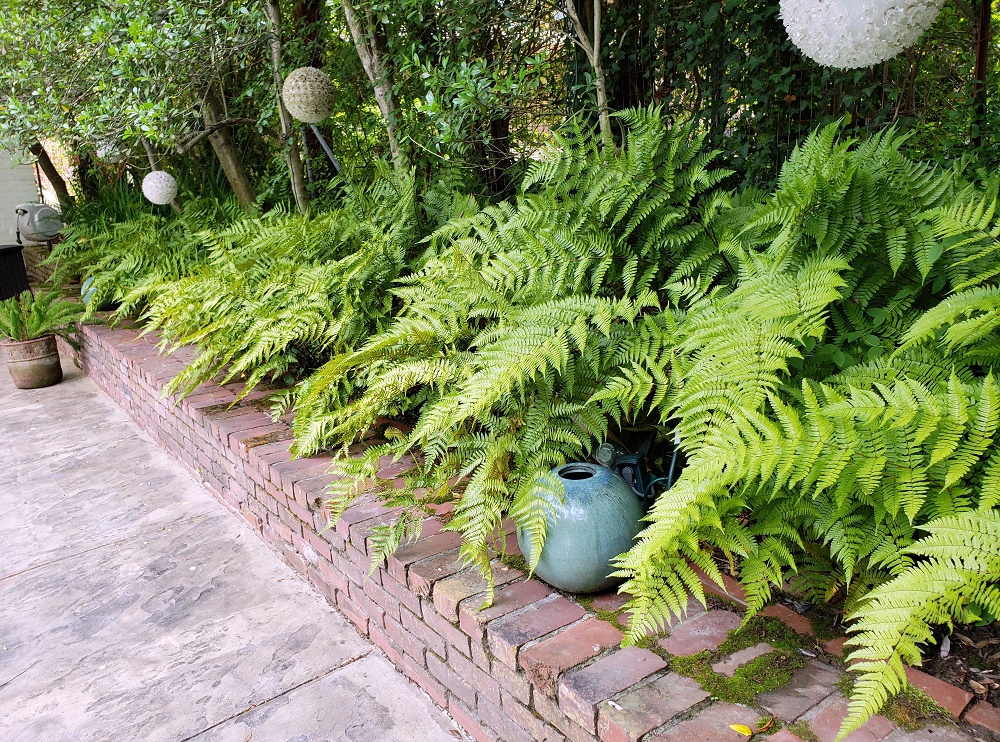
They’re kind of like the quiet friend who’s always stylish without trying. Ferns like Japanese Painted Fern, Lady Fern, and Autumn Fern absolutely love shade and tend to do really well under trees where little else survives.
Texture for days? Yup.
Low maintenance? Heck yes.
Bonus points: Many ferns are deer-resistant, which is a huge deal in my neck of the woods.
Side note from my experience:
I tried planting a bunch of flowers under my walnut tree (bad idea), replaced them all with ferns, and now it looks like a calm, woodland oasis instead of a graveyard of failed ambitions.
Just remember: most ferns like consistently moist (not soggy) soil, so keep them mulched and watered until they settle in.
5. Heuchera (Coral Bells)
You want color under that tree, but flowers aren’t cooperating? Say hello to Heuchera, a.k.a. Coral Bells.
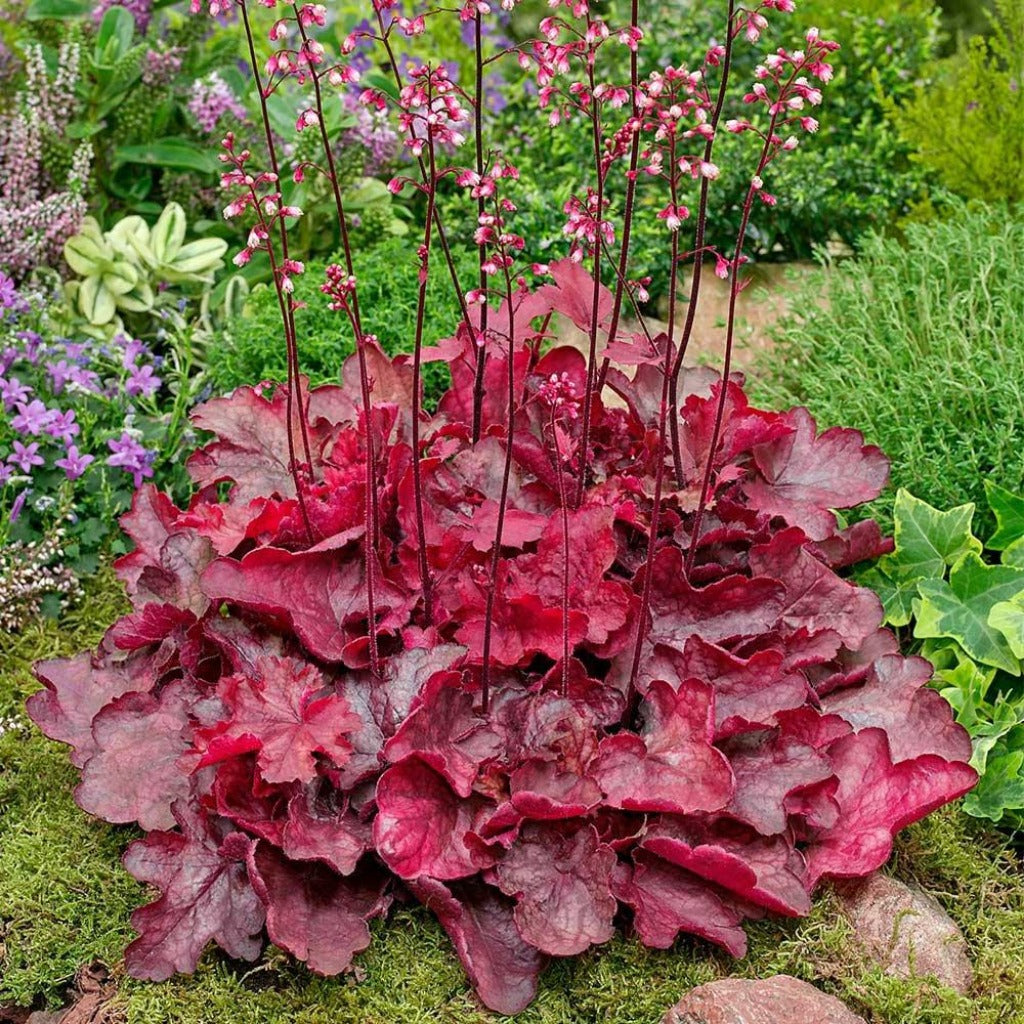
These beauties steal the show with their foliage, not their blooms. I’m talking leaf colors like burgundy, lime green, caramel, raspberry, and even almost-black. No flowers necessary—though they do shoot up tiny delicate ones too, just to be show-offs.
Why I’m borderline obsessed:
Heuchera is shade-tolerant, drought-tolerant (eventually), and super low-maintenance. I used to be one of those “gotta have flowers” gardeners, but once I started mixing in Heuchera with Hostas and ferns? Instant drama. Instant style.
And the best part? Heuchera plays well with others. You can tuck them into awkward nooks, and they’ll happily sit there being fabulous.
6. Pulmonaria (Lungwort)
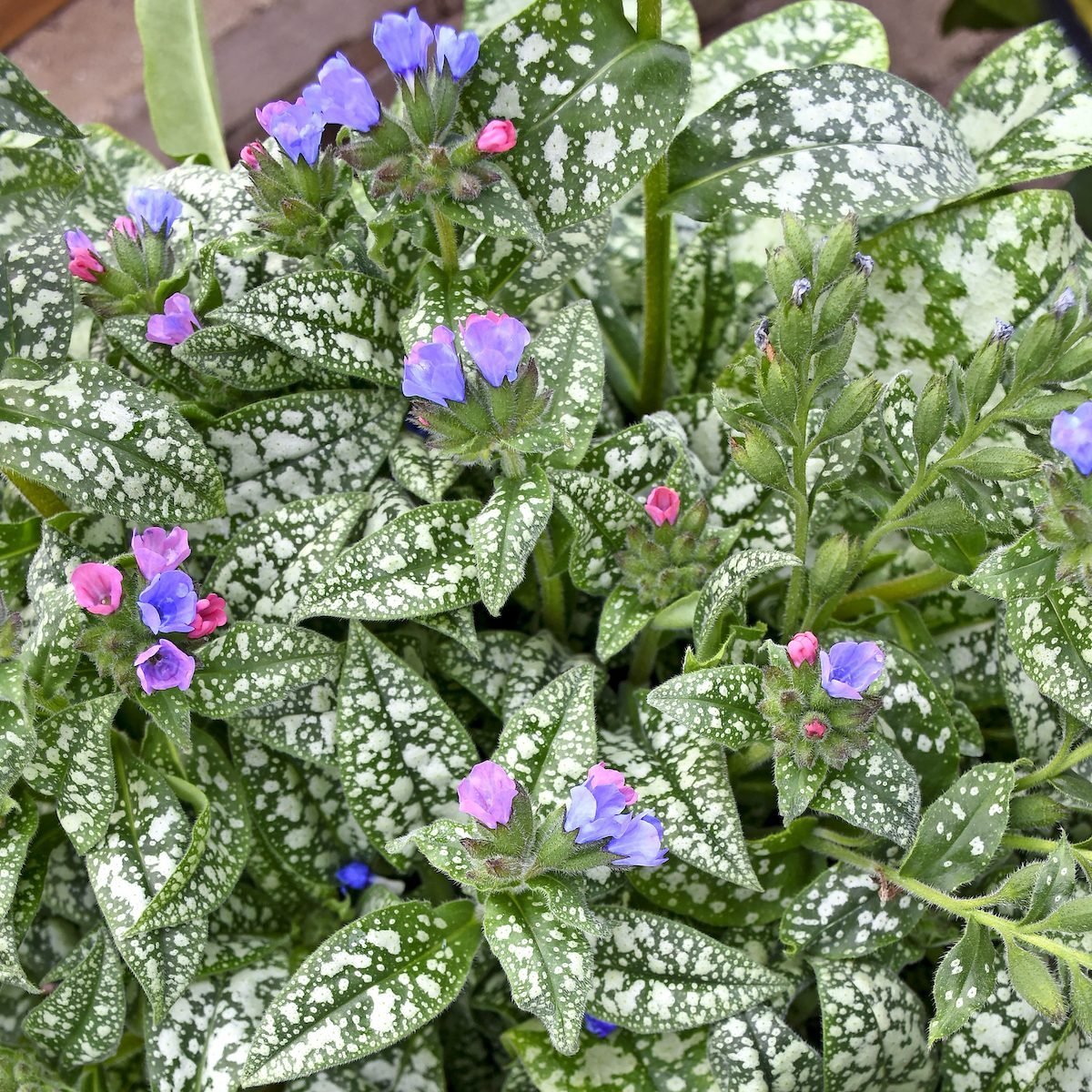
Yeah, I know. “Lungwort” sounds like something you’d catch during the plague. But don’t let the name fool you—Pulmonaria is straight-up garden gold.
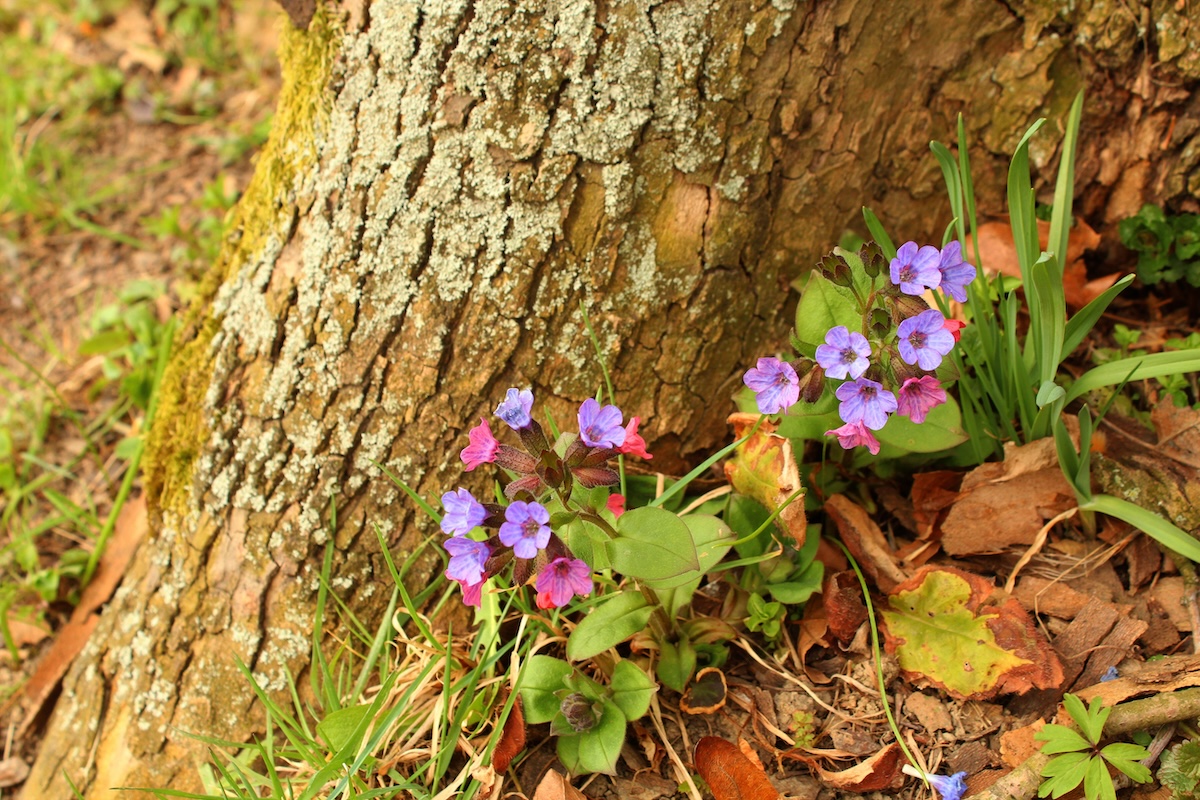
This plant has insanely cool foliage—green leaves speckled with silver or white spots, like they’ve been dusted with fairy glitter. And if that’s not enough, they bloom early in beautiful shades of blue, purple, pink, or white.
They thrive in deep shade, love rich, organic soil, and don’t mind tree roots. This is a plant that happily shacks up right where most others throw a tantrum and die.
Pro tip from yours truly:
There’s a spot under our ancient birch tree that even weeds avoid. I tossed a few Pulmonaria in just to test them out. Not only did they live—they spread. Slowly, but like little green, sparkly warriors.
7. Brunnera (False Forget-Me-Not)
So, you’re into that romantic, woodland fairytale aesthetic? Brunnera’s your wingman.
Its small, sky-blue flowers look like sweet little Forget-Me-Nots, and the big, heart-shaped silver and green leaves don’t stop showing off once the blooms fade.
Brunnera thrives in partial to full shade and pairs beautifully with ferns, Hostas, and Heuchera. It’s the Velcro of shade gardens—once you see how it enhances the area, you’ll want it everywhere.
A heads-up from experience:
It prefers consistently moist soil, especially during the first year. But once it’s happy, leave it alone—it’s not the neediest thing out there.
I planted three near a shady stone path and let them duke it out with the tree roots. Spoiler alert: Brunnera won.
8. Tiarella (Foamflower)
Let me tell you about Tiarella, also known as Foamflower—and yes, the name sounds like something out of a fantasy novel. But this plant? Totally real and totally brilliant under trees.
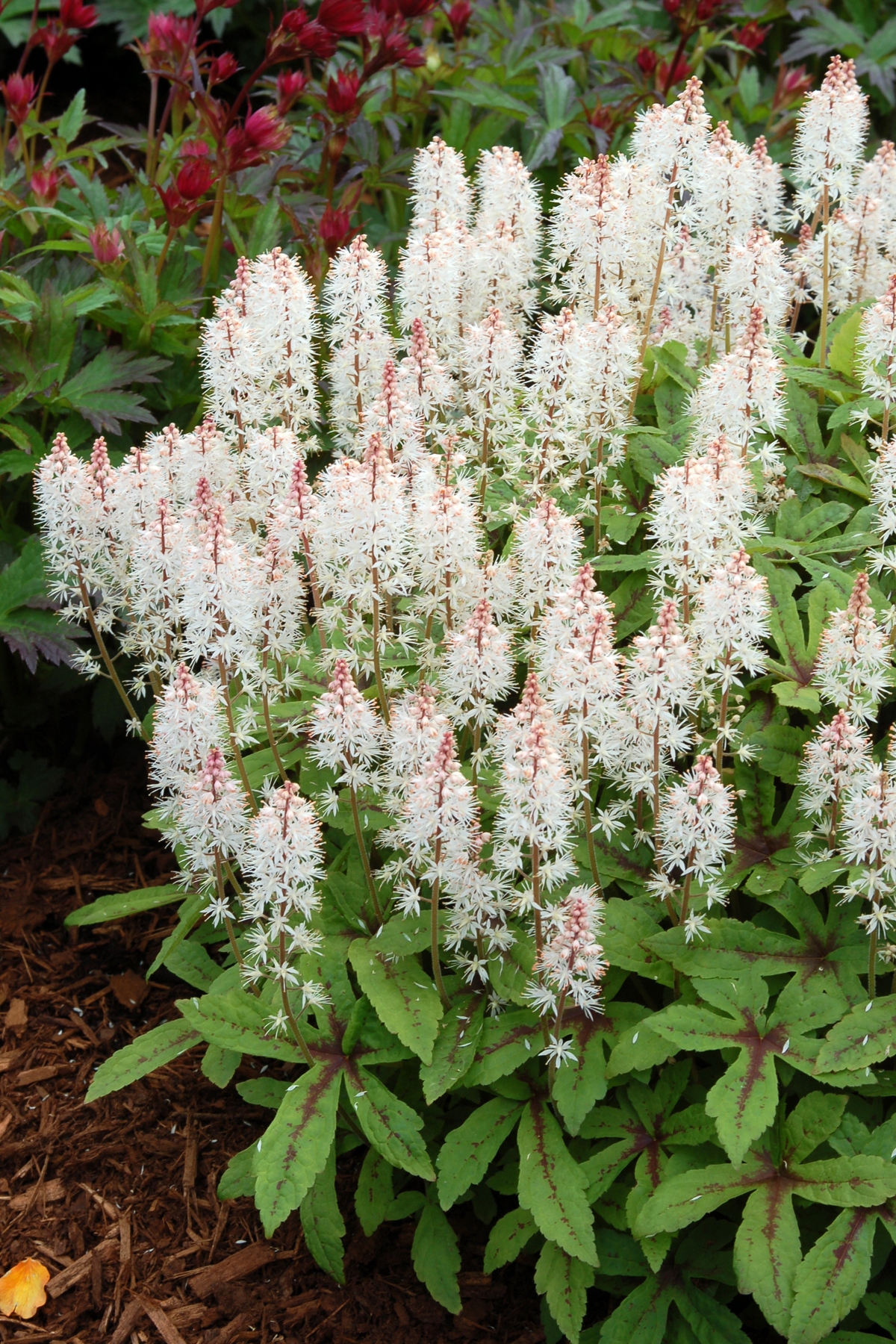
Foamflower brings two things to the table: gorgeous foliage and frothy little flower spikes that show up in spring. The leaves often have cool burgundy or dark veins, and some varieties stay evergreen in milder zones. So yeah, they’re showing off year-round.
I popped a few of these in at the edge of my shady patio, and they bloomed like they didn’t even care they were sitting in nearly full shade. I didn’t even have to coax them—they just wanted to be beautiful.
They love:
- Partial to full shade
- Well-drained, moist soil
- Being planted in drifts for that fairy-garden effect
Pair them with Heuchera for a seriously photogenic foliage combo.
9. Epimedium (Barrenwort)
Okay, I know the name “Barrenwort” doesn’t exactly scream “Pick me, I’m stunning!” But this plant? It’s a shady champion in disguise. Epimedium swoops in with delicate flowers that look like little dancing fairies in spring and heart-shaped leaves that blush red, pink, or bronze in fall.
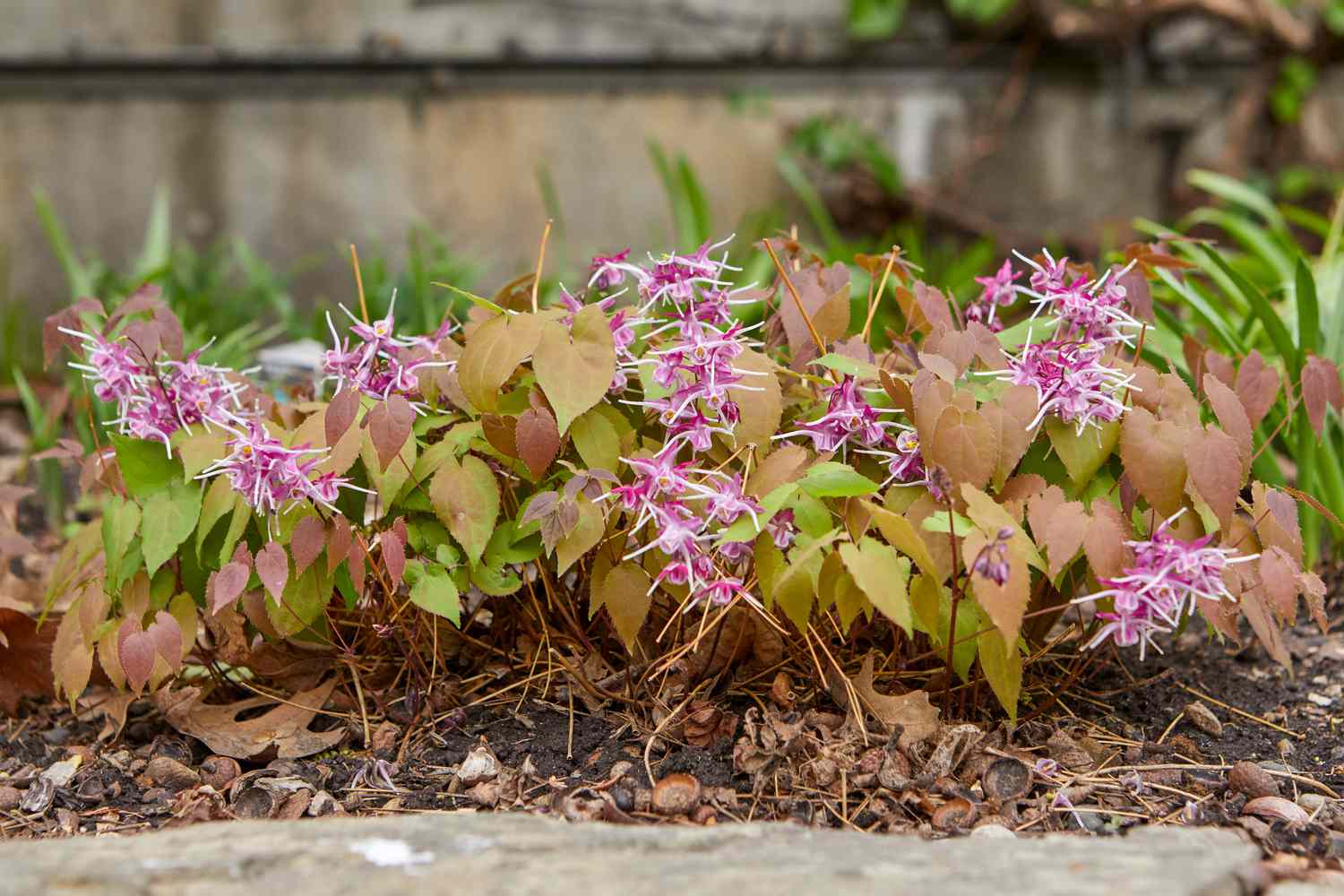
It’s one of those plants that makes your friends ask “Wait—what is that?” every time they visit.
Why you’ll love it:
It tolerates dry shade, which is the holy grail for under-tree plants. And it spreads quietly, politely, like a well-mannered botanist.
True story:
I tried Epimedium under a massive maple with roots like angry snakes. Everything else failed. This stuff? Didn’t just survive. It thrived. It’s like the MacGyver of plants. You give it nothing, and it still finds a way to look good.
10. Pachysandra
Oh boy—Pachysandra. You either love it or you consider it the plant version of wallpaper from the 1970s. But let me give it a fair shake.
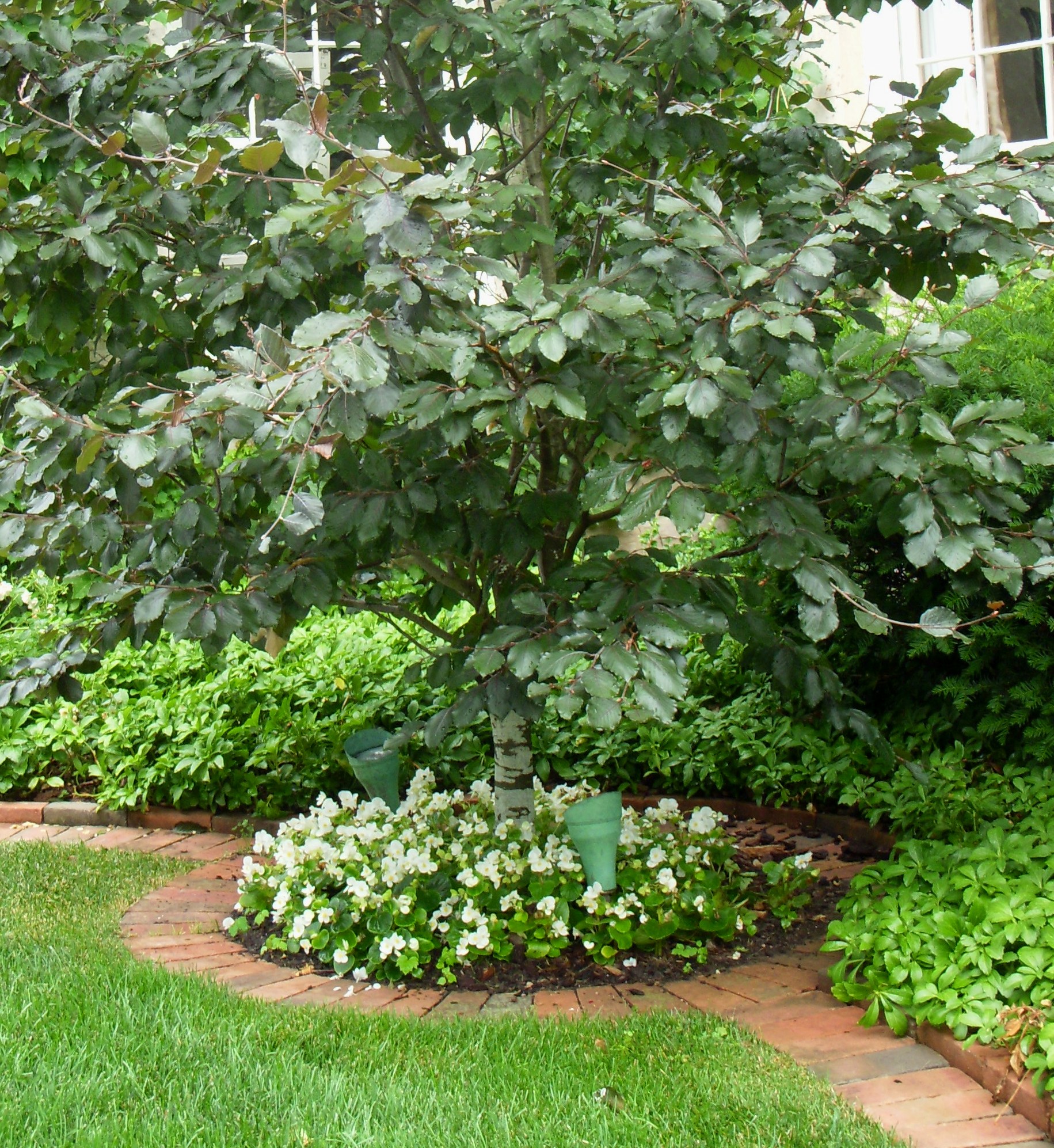
This hardy evergreen groundcover thrives in dense shade, forms a thick carpet that weeds hate, and basically never asks anything from you. Water it the first year, then forget it exists.
Is it fancy? Not really.
Will it cover the ugliest base of your pine tree so you never have to weed it again? Yep.
Pro tip:
The key with Pachysandra is mass planting. One scraggly plant looks like it lost its way. A bed of them? You’ve got a shade-loving superhero squad.
Just don’t put it in super wet areas—it’ll protest with soggy roots and start plotting its revenge.
11. Solomon’s Seal
Want something elegant and architectural under your tree? Solomon’s Seal brings that effortless charm that makes people think you hired a Pinterest-worthy landscaper.
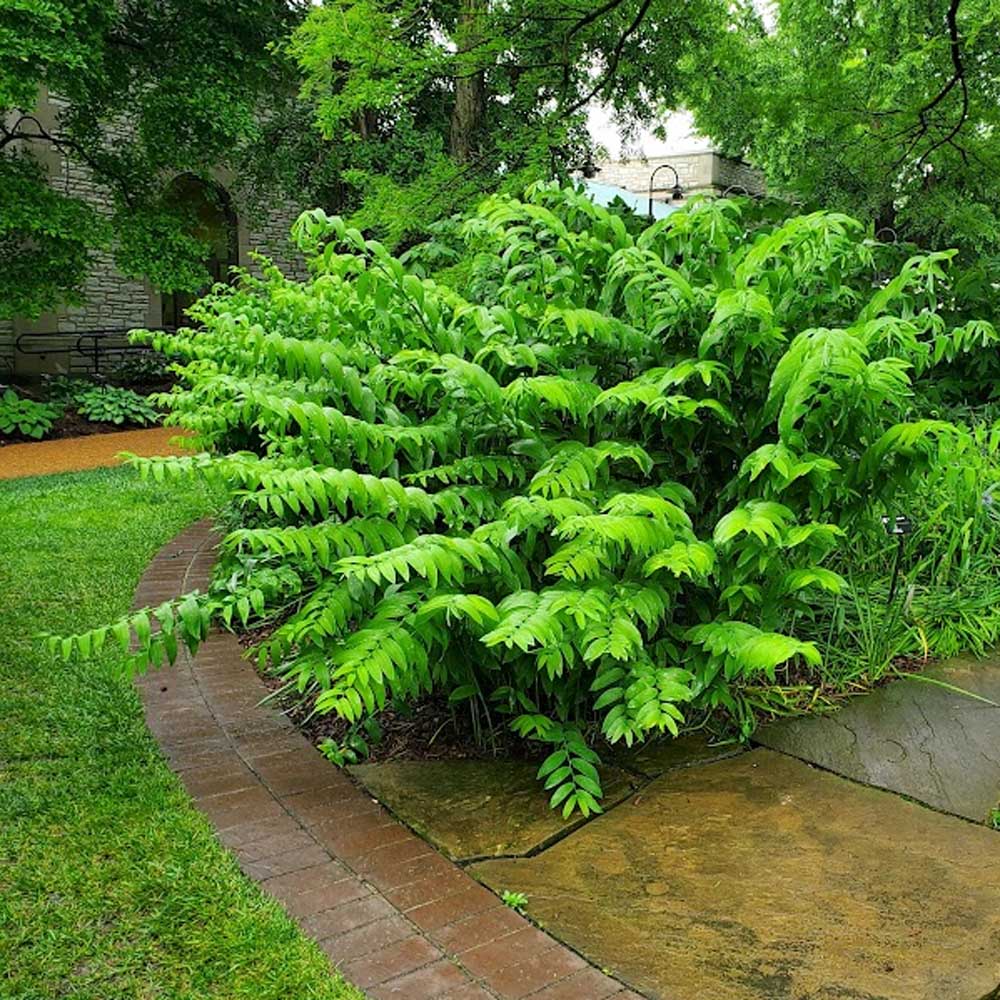
This plant drapes itself in graceful arches with tiny white bell-like flowers dangling like pearl earrings in spring. The variegated variety, with creamy-green stripes on its leaves, is my personal fave. It looks like it’s whispering fancy secrets to the neighboring ferns.
It checks a lot of boxes:
- Shade-loving? Yup.
- Low-maintenance? Very.
- Deer-resistant? Hallelujah.
I’ve used Solomon’s Seal as a background layer in my shade garden. It’s like the quiet friend who gently holds the aesthetic together while the louder Hostas and Coral Bells hog the spotlight.
12. Lamium (Dead Nettle)
Okay, I know “Dead Nettle” sounds like something you’d find in an abandoned wizard’s greenhouse, but hear me out—Lamium is seriously underrated.
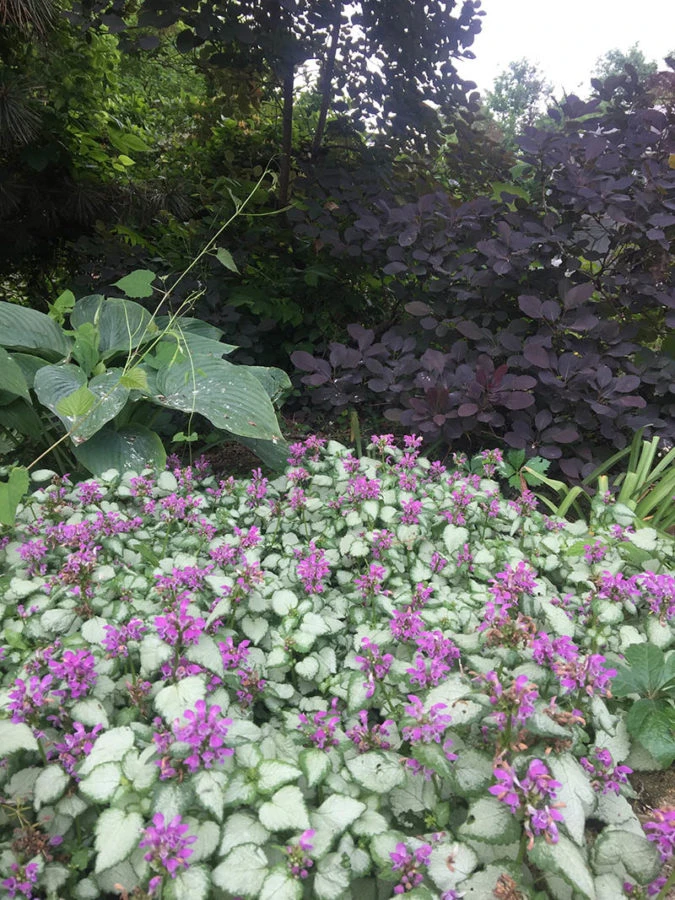
Lamium brings it with tiny, trumpet-shaped blooms in pinks, purples, or white, and—here’s the main event—those fabulous silver-variegated leaves.
It’s also one of the few ground covers that actually blooms beautifully in full shade.
Why it rocks:
It spreads without being obnoxious, it looks amazing trailing over rocks or edging paths, and once it’s settled, it’s about as needy as a rock. It’s the ‘set it and forget it’ plant we all secretly want.
I tossed some under our dogwood tree where even moss struggled… and guess who’s thriving? Yep. Little glowy patches of Lamium now line the shady path like they’ve owned the place for years.
13. Ajuga (Bugleweed)
Alright, don’t let the name fool you—Ajuga might sound like a medieval spell, but it’s actually a vivid little groundcover that excels under tough tree canopies.
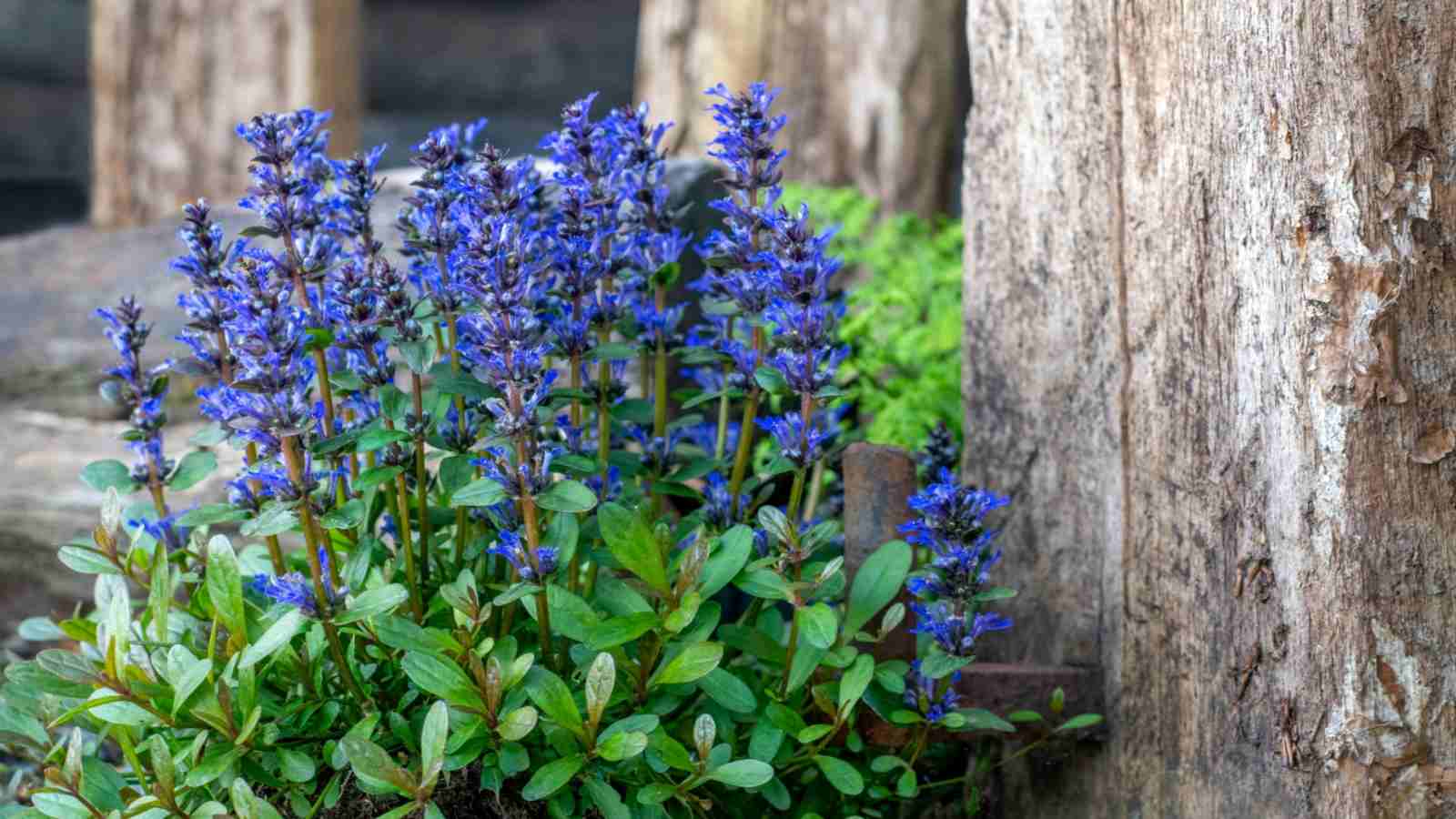
This plant screams color and contrast. You’ve got purple, bronze, or nearly black foliage, and in spring, it shoots up electric-blue flower spikes that honestly make it one of the most dramatic under-tree plants around.
What makes it stand out:
It spreads fast (like, really fast), so if you’ve got a big, boring patch under a tree, Ajuga can fill it in without breaking a sweat.
Pro tip from a battle-scarred gardener (hi, that’s me):
Don’t mix Ajuga into delicate borders. It loves to spread and doesn’t know when to stop. I may or may not have pulled it out of my lawn for months. But if you’ve got an isolated shady patch begging for bold color and texture? Ajuga’s your new BFF.
14. Creeping Jenny (Lysimachia nummularia) – ‘Aurea’ Variety
Now here’s a plant that brings the drama. Creeping Jenny ‘Aurea’ is all about that vivid chartreuse color that makes everything around it pop—even in full shade.
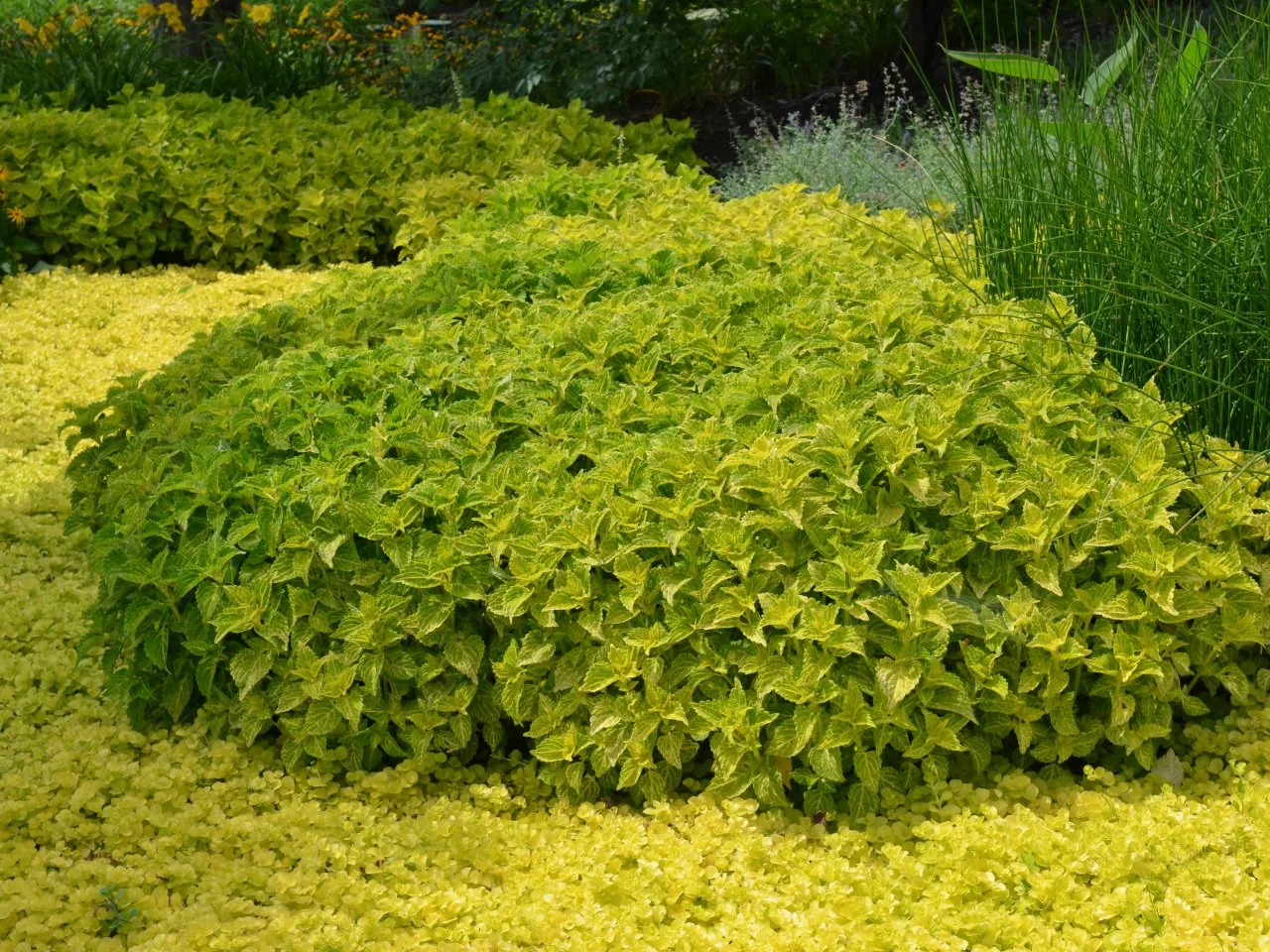
I use it like an artist uses highlights. Plant it around darker foliage plants like Hostas or Coral Bells, and suddenly, it’s like your garden has built-in lighting.
Things you’ll appreciate:
- It’s low-growing and forms a dense mat (bye, weeds).
- It’s super flexible—trails over borders, under shrubs, around rocks.
- It shimmers in shady areas like a patch of sunlight got stuck on the ground.
Just keep an eye on it—it spreads like it’s late for something, so you may need to reign it in occasionally. But if you treat it more like a design tool than a flowering plant, it becomes your MVP under trees.
15. Lily of the Valley
You want fragrance in the shade? Lily of the Valley has entered the chat.
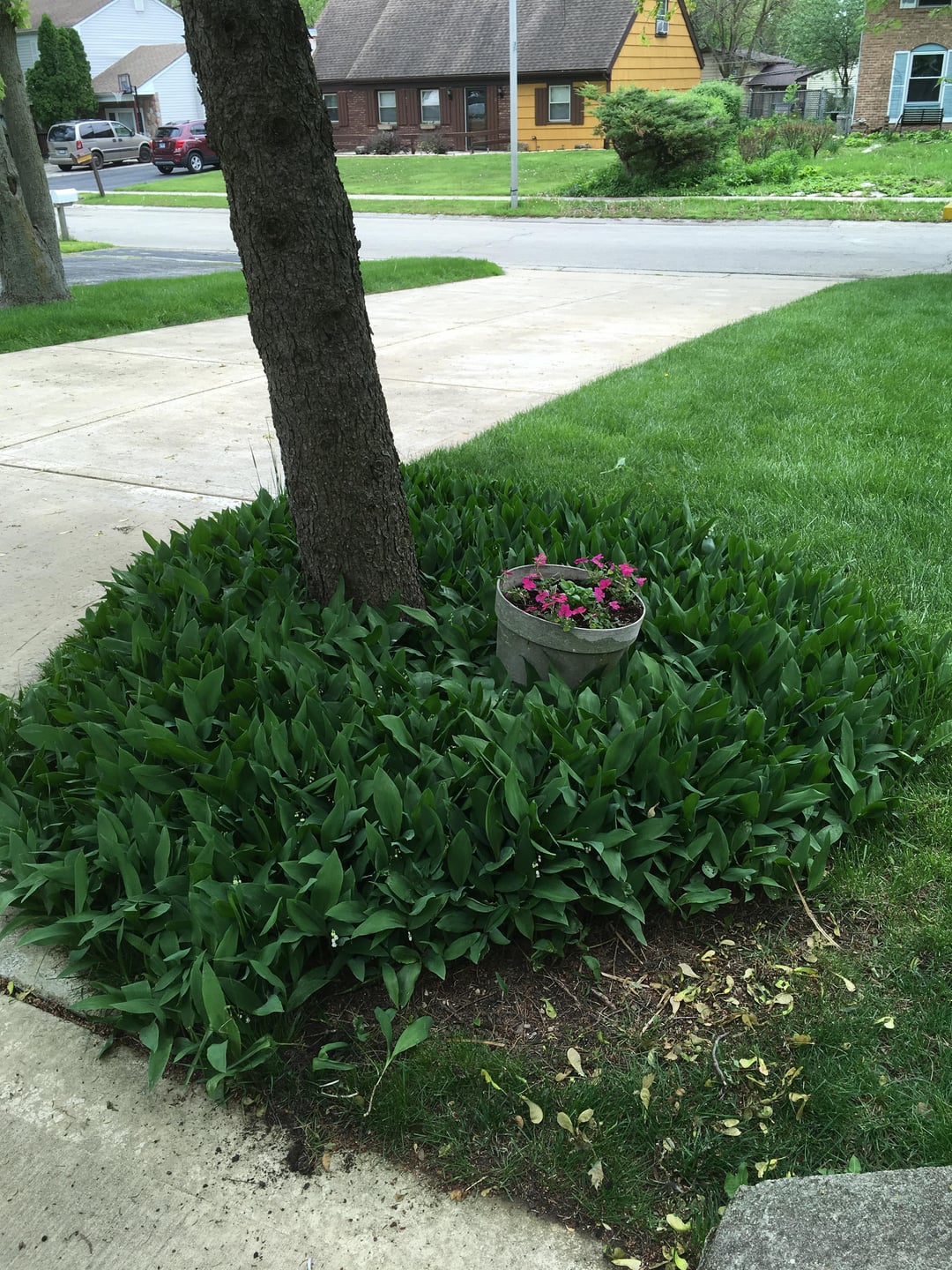
This plant has dainty little white bells that smell absolutely divine—like, “stick your nose in and get a little emotional” divine. It’s the plant equivalent of vintage perfume in a hidden French garden.
It thrives in deep shade, tolerates tree roots like a champ, and comes back reliably every spring.
But a fair warning:
It spreads. Like, a lot. Honestly, if the zombie apocalypse ever hits, I’m barricading myself behind a wall of Lily of the Valley—it doesn’t quit.
I planted some under a massive cypress a few years ago, and now it’s practically a groundcover. Not mad about it, but just don’t plant it where you’ll ever want something else to grow. It’s beautiful but bossy.
16. Bergenia (Pig Squeak)
I know, I know—Pig Squeak? Come on, gardeners, we’ve got to talk about the names they give plants.
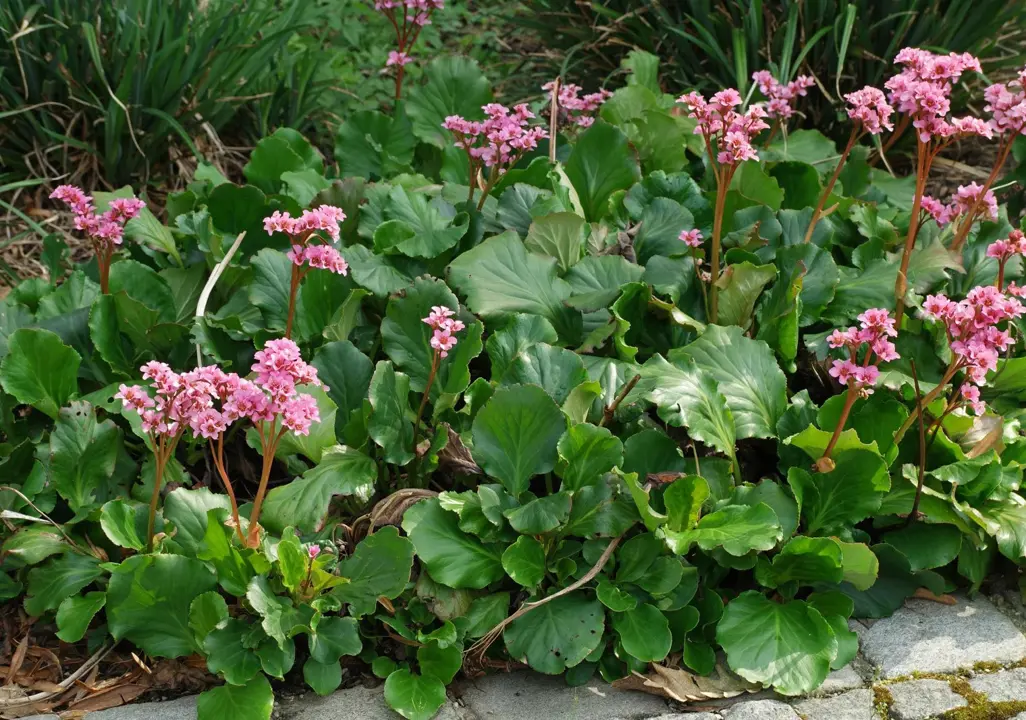
But weird name aside, Bergenia deserves a spot under your trees if you’re looking for bold foliage, early blooms, and low maintenance. The name comes from the sound its big, glossy leaves make if you rub them between your fingers—go ahead, try it. You know you want to.
It’s a tough, clumping perennial with spring flowers in pink or magenta perched on thick stems. The leaves turn reddish-bronze in fall, which adds bonus months of interest.
Comfort zone:
Partial to full shade, average soil, occasional attention. Basically, it’s undemanding and cute. What more could you want?
17. Japanese Spurge (Pachysandra terminalis)
Last but not least, let’s talk about Japanese Spurge. It’s like Pachysandra’s well-dressed cousin who reads interior design magazines and always looks polished.
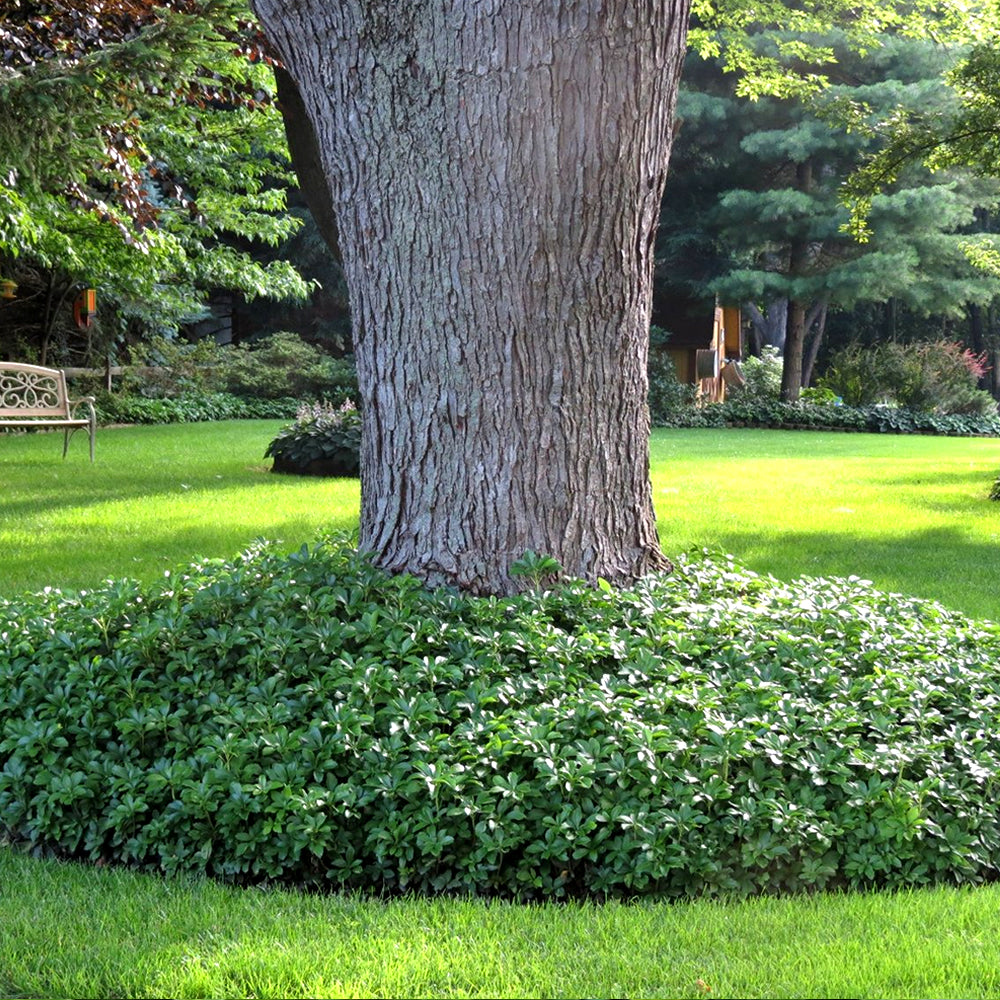
It forms a lush, dense mat of glossy evergreen leaves and thrives in dry shade. The little white flowers in spring don’t scream for attention, but they do add a charming detail if you get in close.
It’s excellent for quick, low-maintenance coverage under deciduous or evergreen trees. Plus, those thick mats discourage weeds like a stern bouncer at a shady club. No riffraff allowed!
Quick note: Like most things with ambition, it can be invasive if left unchecked. But if you’ve got a challenging zone that needs reliable greenery, Japanese Spurge gets the job done while looking like it came from a designer magazine spread.
Tips That’ll Save You Major Headaches
Alright, quickfire wisdom round. File this under “Stuff I wish someone had told me before I planted six doomed hydrangeas beneath an oak.”
1. Don’t fight the tree roots.
You’re not going to outmuscle a 40-year-old oak. Pick shallow-rooted plants or ones that don’t mind getting cozy with roots. Trust me—violence doesn’t work in the garden. Patience does.
2. Mulch is your friend.
Before planting, spread a thin layer of compost or leaf mold, then add mulch after planting. It helps hold moisture and keeps things cool but don’t smother your plants or pile mulch against the trunk (also known as the dreaded “mulch volcano”).
3. Start small and give plants room to grow.
Don’t cram 30 plants into a 10×10 space just because it looks empty now. Shade plants often spread slowly and steadily, and you’ll quickly go from “sparse” to “jungle vibes” in a year or so.
4. Group plants with similar needs.
Some like it moist. Others don’t care. But when you’re planting under a tree, be strategic. Pair plants with similar watering and soil preferences, and you’ll make your life a lot easier.
5. Water deeply (especially early on).
Young plants need help getting established in root-heavy zones. Take a few minutes every week to drench them deeply—especially in the first season. After that, many of these tough guys can mostly fend for themselves.
Final Thoughts: Turning Tree Shade into a Garden Statement Piece
So there you have it—17 of the absolute best plants to grow under trees for landscaping. And not just “they’ll survive if you try really, really hard” kind of plants. I’m talking about plants that actually thrive under those shady, dry, root-filled, glare-at-you-when-you-water spots beneath your trees.
You’re not stuck with bare dirt, sad mulch, or yet another failed flower that needs therapy after a month in the wrong spot. With these plants in your arsenal, that once-lifeless ground under your favorite tree? It can become the crown jewel of your landscape.
Who would’ve thought, right?