Let me guess—you’ve got a patch of lawn that looks more like a mossy mystery zone than the lush, green paradise you imagined, right? Been there.
You try planting regular grass seed, water it like you’ve adopted it as a pet, and yet? Nothing. Just sad, struggling blades gasping for light under your big, beautiful shade trees.
You’re not alone, friend. Shaded lawns are a whole different beast. They don’t follow the same rules as those sun-drenched front yards in real estate brochures.
So the question is, what’s the best grass for shaded areas that won’t make you pull your hair out in frustration?
Well, grab your gardening gloves (or your coffee, let’s be honest), because I’ve experimented with shaded lawns enough times to make every newbie mistake so you don’t have to.
Think of this as your no-nonsense, real-deal guide to getting actual grass—not weeds, not moss, not sticky mud—into those darker corners of your yard.
Why Some Grass Fizzles Out in the Shade
Let’s start by stating the obvious: grass loves sunlight. It thrives on it. It practically parties in full-sun situations. And when it doesn’t get enough? Things turn ugly fast.
But WHY does this even happen? Ever wondered?
Shade messes with grass in more ways than one:
- Less sun = less photosynthesis. That means less energy for your grass to grow.
- Shade holds more moisture, which sounds nice in theory… until fungal diseases throw a soggy tantrum.
- Trees are greedy. They steal water, nutrients, and sometimes all the light.
- Air circulation in shady spots is pitiful. Which, again, makes fungal stuff way worse.
I used to think I just had bad soil in those areas. Nope. The moment I planted shade-tolerant grass? Boom—greenery started showing up like I was growing dollar bills. The trick is knowing what kind of grass likes the drama of shade.
Cool-Season Grasses That Can Handle the Shade
Alright, let’s talk grass types. We’re starting with the cool-season crew. If you live somewhere that gets actual winter (hello, frostbitten mornings), these are for you.
Now, not all cool-season grasses love shade, but a few are absolute champs.
Fine Fescue: The Shady King
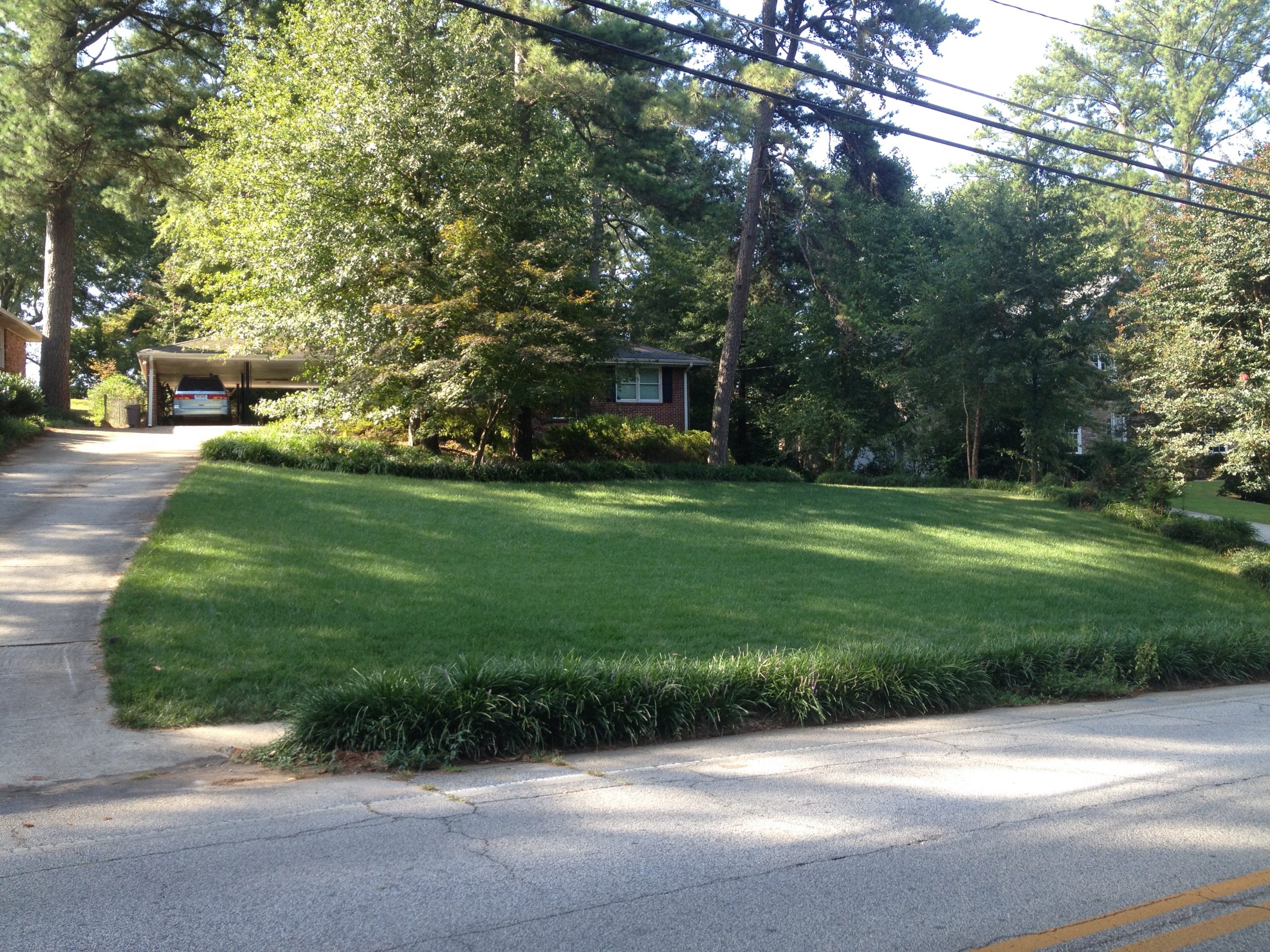
If I had to pick a grass seed to marry for a shaded lawn, it’s fine fescue. It’s honestly the Beyoncé of shaded grasses—graceful, hardworking, and beautiful with minimal fuss.
Why I love it?
- It thrives in the shade.
- It tolerates dry soil better than most.
- It has that soft, velvety texture that’s just chef’s kiss.
It sprouts quickly, saves water, and barely throws a tantrum even if the sun ghosts it for a while. I used a fine fescue mix in my backyard under a giant oak, and for the first time in years, I actually have legit grass there. Not fake-looking turf. Real blades. Satisfying to walk on barefoot.
You’ve got a few sub-varieties like creeping red fescue, hard fescue, and chewings fescue. Creeping red is the best spreader—great for filling up patchy spots without making you reseed every season.
Ever tried growing regular bluegrass in shade and failed miserably? Me too. That’s why this stuff’s a game-changer.
Perennial Ryegrass: Fast But Not Fearless
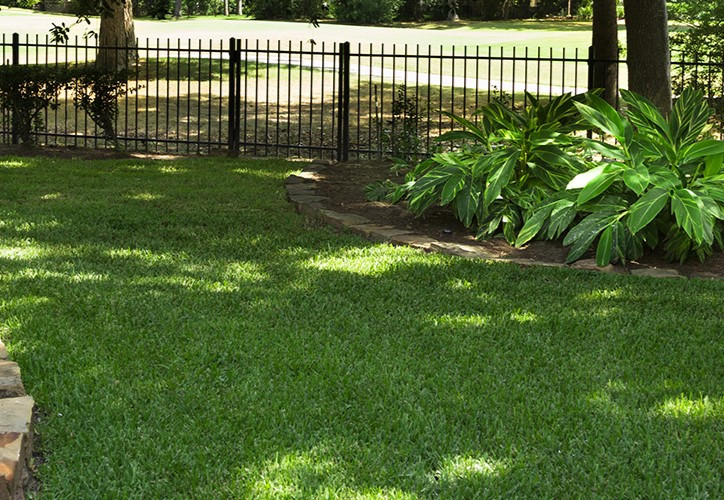
Now, I’ve got complicated feelings about perennial ryegrass. It germinates in like five days—seriously, blink and you’ll see sprouts. Quick wins are nice, right?
But here’s the trade-off: it’s not a big fan of deep shade.
If your shaded area gets at least 4 hours of dappled sunlight, ryegrass might work. I’ve used it in combo with fescue in partially shady areas, especially near fences or the shadier side of the house. It pops up fast and helps fill things in while the fescue takes its sweet time establishing.
Just don’t rely on it alone in super shady zones. That’s like taking a Chihuahua hiking—some things just aren’t built for rugged conditions.
Kentucky Bluegrass: Beautiful… But Bougie
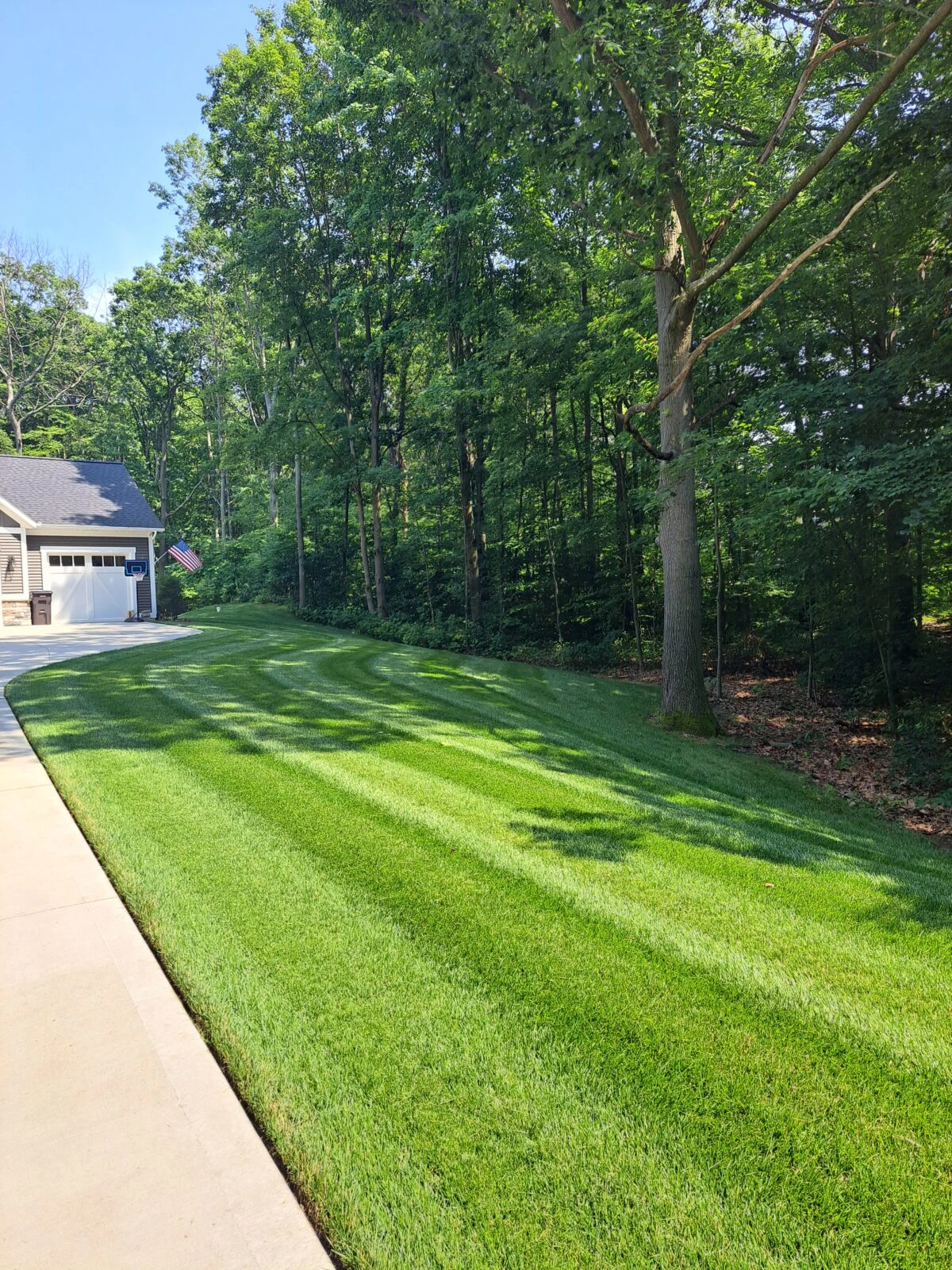
Everyone raves about Kentucky bluegrass—and yeah, when it’s happy, it looks magazine-cover perfect. But in the shade? Meh.
It’s picky. It needs solid sunlight—or at least high dappled light throughout the day. Every time I planted it under dense tree cover, it basically ghosted me. Like, not even a goodbye sprout.
So here’s the move: if you really want that classic bluegrass look, mix it with fine fescue in a blend. The fescue does the heavy lifting in the shade, and the bluegrass can strut its stuff in the lighter areas. Think of it as a lawn power couple.
Warm-Season Grasses That Don’t Shy From Shade
If you live in the southern U.S., or anywhere it gets hot enough to fry an egg on your patio in July, then warm-season grasses are more your jam.
Now, most warm-season grasses are divas. They loooove full sun. But—and this is important—some do surprisingly well in shade, if you treat them right.
St. Augustinegrass: The Southern Shade Hero
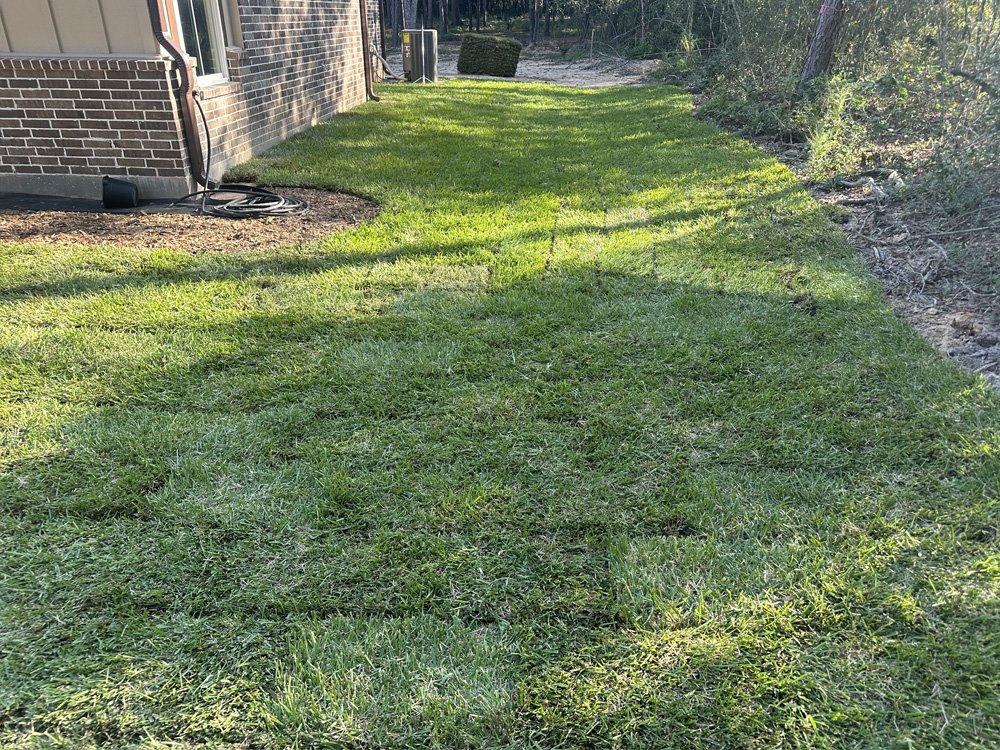
If fine fescue is Beyoncé, then St. Augustinegrass is Dolly Parton. It’s bold, a bit sassy, and doesn’t mind a little shade.
This grass thrives in the Southeast, especially places like Texas, Florida, and the Carolinas. I’ve seen it chug along just fine with 4 hours of sunlight a day.
It has wide blades and a thick growth habit, which makes it great at choking out weeds. That’s a huge win if your yard lives in shady chaos.
But here’s the catch—it’s a bit high-maintenance. Loves nitrogen, hates foot traffic, and turns yellow if you sneeze at it wrong. Still, if you’ve got dappled sun and warm weather? Totally worth trying.
I once planted it along the shaded north side of my mom’s house in Houston. It took a while to get going, but it filled in beautifully and actually stayed green through the hot months.
Zoysiagrass: Slow and Steady Shade Warrior
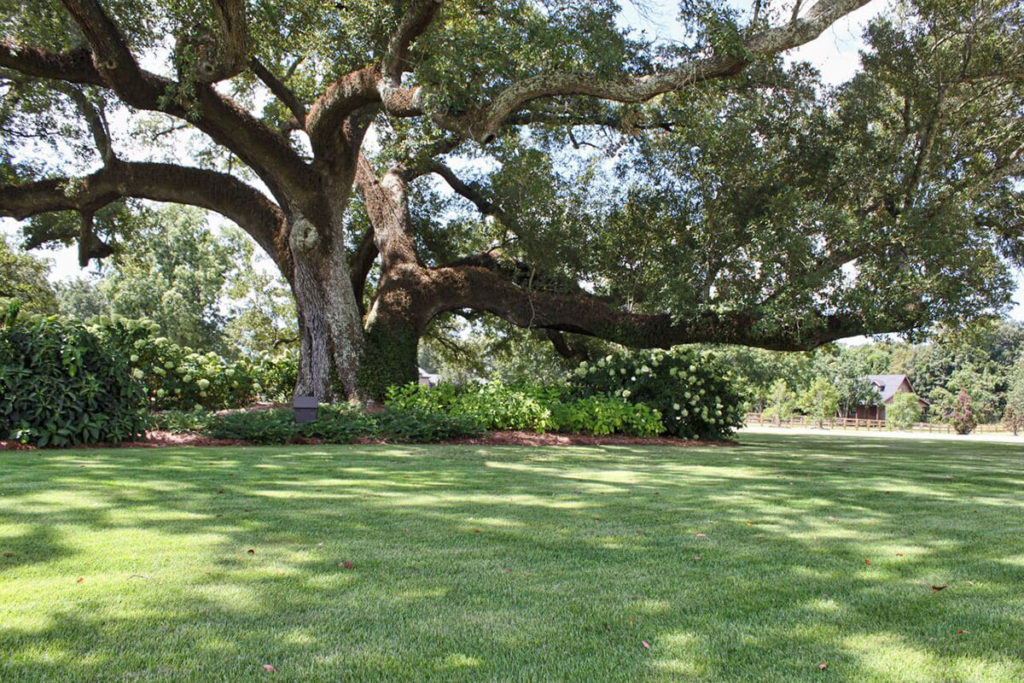
Zoysia is the introvert of lawn grasses. Doesn’t grow fast, doesn’t shout for attention, but it gets the job done quietly and very well.
Shade tolerance? Better than most warm-season grasses. I’d say it needs at least 5 hours of filtered sunlight to really work, but once it gets established, boy does it hold its ground.
I appreciate that I don’t have to mow this stuff constantly. It stays neat, tight, and not overly aggressive. Plus, it doesn’t look like it’s falling apart mid-summer, even in some shade.
One warning: some zoysia varieties spread so slowly, you’ll be checking your watch between growth spurts. If you’re an impatient gardener (aka me), you might want to lay down sod instead of starting from seed.
Centipedegrass: The Lazy Gardener’s Bestie
Low-budget, low-skill, low-effort? Allow me to introduce you to centipedegrass. It doesn’t want much, really. Just a little sunlight and someone who remembers to water now and then.
It handles light shade reasonably well. Not as graceful as St. Augustine or fescue, but serviceable. I used to call this “set-it-and-forget-it” grass because I literally ignored a patch of it in a partly shady spot and it still grew like a champ.
No fertilizer fuss. No need to mow every five minutes. It’s chill. So if your lawn plans basically involve watering when you remember and hoping for the best, this one’s your guy.
Prepping Shady Soil for Success
Okay, before you dump a bunch of “shade-tolerant” seed onto your yard and hope for the best—hold up. Even the best grass for shaded areas won’t work miracles if your soil is basically a sad, compacted wasteland.
I made that mistake when I first started tackling my backyard jungle. Just tossed the fancy seed down and expected magic. Didn’t work. At all.
Here’s what actually matters if you want your shady grass to survive, let alone thrive.
Get to Know Your Soil (Seriously)
Ever dug into your soil and thought, “Hmm, this feels like I’m trying to plant in a brick”? If it’s hard, crusty, or smells like mildew… yeah, that’s not a great sign.
Grass in shady areas needs soil that drains well but also holds enough moisture to stay hydrated. Sound contradictory? Welcome to the complicated love affair that is lawn care.
Do this:
- Grab a soil test kit (go ahead, be that person).
- Check your pH—most grasses prefer slightly acidic soil. Around 6.0–6.5 hits the sweet spot.
- See how compact it is. If roots can’t breathe down there, your seed doesn’t stand a chance.
I tested my old patch near the shed, found the pH was way off, and tossed in some lime. After that? Grass actually grew. Who would’ve thought?
De-Compaction is a Fancy Word for “Loosen Things Up”
Here’s the deal. Shade usually means trees. Trees usually mean roots. And tree roots basically treat your turf area like their own personal lounge.
Soil in shaded spots gets compacted fast, especially if there’s foot traffic. Step one? Loosen it all up.
Grab a garden fork or core aerator—manual or machine, pick your poison—and poke around a bit. I do this every fall in my shady zones just to give roots and water some breathing room.
It’s kind of like lawn acupuncture.
Feed the Soil, Not Just the Grass
Want thick, green turf despite low light? Focus on feeding the soil more than the seed.
I throw down compost before planting in shaded areas. Not a truckload—just a thin layer over the top after loosening the soil. Think of it like a healthy breakfast smoothie for your lawn.
Organic matter adds nutrients, helps retain moisture, and improves drainage. Basically, it’s a win-win-win situation.
And if you’re thinking, “I don’t have compost”? No worries. Bagged organic compost from the garden center works great too. Just make sure it’s fine-textured—chunky stuff won’t do you any favors.
The Right Way to Seed Shaded Grass
Now comes the fun part: planting. And let me tell you, seeding shaded grass isn’t the same as scattering seed across your sunny front yard while humming happily. It takes precision. And a little patience.
Timing Is Everything
Want to know a secret? The best time to seed shaded lawns is early fall. Yep, not spring. Fall.
Why? Because:
- Temps are cooler, which prevents seed from frying.
- Soil stays warm enough for germination.
- Weed pressure is lower, so your grass isn’t in a turf war.
I usually throw down seed in September, and it’s up and running by October. Plus, fall rains help settle everything in without you babysitting it nonstop.
Live in a warm-season zone? Early spring is your window before temps blast into the 90s.
Pick a Good-Quality Shade Mix
Here’s the scoop: not all grass seed is created equal. I’ve tried the bargain-bin boxes before. You know the ones that promise a “lush lawn in just 10 days!”?
Yeah, those usually contain junk filler seed and barely-there amounts of shade-tolerant varieties. Hard pass.
Instead, grab a seed mix labeled specifically for shade tolerance. Look for at least 50% fine fescue if you live in a cool region. Some of my favorites:
- Jonathan Green Dense Shade Mix
- Pennington Smart Seed Dense Shade
- Scott’s Turf Builder Shade Mix
These aren’t sponsored—just personal faves that actually worked in my yard.
Light but Frequent Watering = Happy Germination
After seeding, don’t soak the life out of your lawn. Overwatering in shade can cause fungus faster than you can say, “Where did that brown patch come from?”
For the first two weeks, water lightly once or twice a day. Just enough to keep the top layer moist—but not soggy.
Once the seedlings get to about 2 inches tall? Cut back to deeper, less frequent watering to train the roots. That’s how you get a lawn that actually, you know, stays alive.
Mulch or Not? Here’s the Real Talk
You don’t have to mulch your grass seed, but shady spots benefit from it.
A thin layer of straw (and I mean THIN) helps retain moisture and protect delicate seedlings. Just make sure it’s weed-free straw—unless you’re into sudden oatgrass farms. I learned that the itchy, scratchy way.
Avoid plastic covers or anything that completely blocks light. Your grass is already fighting shade—don’t make it harder than it needs to be.
Shade-Smart Lawn Maintenance Tricks
Alright, so the grass actually grows. Now what?
You’ve got to treat shady lawns a little differently than the sun-drenched ones. They’re more delicate. Like the introvert friend you check in on regularly but don’t overwhelm.
Mow High. Always.
This isn’t optional. If you mow low in the shade, you might as well call it goodbye grass.
Keep your shaded grass between 3 and 4 inches tall. Taller blades = more leaf surface = more photosynthesis, even in limited light.
Honestly, I’m lazy when it comes to trimming, and this is the one time being lax actually pays off.
I mow once every couple weeks in my shaded zones in the growing season. No buzz cuts allowed.
Cut Back the Fertilizer Drama
People love dumping fertilizer on their lawns like it’s some sort of miracle cure. But shaded grass doesn’t need nearly as much feeding.
Why? Because it grows slower. And more fertilizer just means more leaf and less root—exactly what you don’t want in a low-light environment.
I give my shaded turf a light feeding of slow-release nitrogen in early fall. Maybe again in spring if I’m feeling extra motivated, but usually one hit per year does the trick.
Save your cash (and your grass’s sanity).
Trim the Trees (No, Seriously)
Want more light without moving the sun? Trim those branches.
It sounds obvious, but pruning just a few limbs, or raising the canopy height, can make a huge difference. Suddenly, your lawn sees light again, and you didn’t even have to plant a new seed.
I hired someone once to thin out the limbs above my back patio. The next season? My fine fescue actually filled in the bald spots without reseeding. Worth every penny.
Don’t Let Leaves Pile Up
Shaded areas are typically where leaves love to collect. I get it—no one enjoys raking. It’s the backyard version of doing taxes.
But leaving a thick layer of leaves smothers your grass. We’re not trying to compost your lawn.
Get into the habit of lightly raking leaves every couple weeks during fall. Or mow and mulch them into tiny bits. Just don’t ignore them.
Keep an Eye Out for Fungus
Shaded areas stay moist longer—which is great if you’re a mushroom, but not if you want a happy lawn.
If you start seeing weird blotches, musty smells, or general sadness in your turf, it might be a fungal issue.
I prevent this by:
- Watering in the morning, so moisture evaporates during the day.
- Cutting back irrigation during rainy weeks.
- Making sure airflow is solid (aka no jungle-level overgrowth).
If fungus hits hard, I spot-treat it with a fungicide. But most of the time, better airflow and reduced watering clears things up.
Long-Term Strategies for a Rock-Solid Shady Lawn
So, you’ve seeded the right grass, treated your soil like royalty, and figured out the shady lawn maintenance game. You’re probably standing there right now, cold drink in hand, wondering if this beautiful patch of green is actually going to last.
Spoiler: It can.
But here’s the thing—nothing in the yard stays perfect without a little follow-through. Want that shady spot to stay lush year after year? You’ll need to keep an eye on it, tweak things seasonally, and not ghost it once you’ve hit that first growth stage.
Let’s dig into what it takes to keep your shady grass around for the long haul—without losing your mind (or your Saturdays).
Reseed Like a Pro (But Not Every Week)
Here’s something they don’t tell you enough: shaded lawns need occasional TLC. Even the best varieties can slowly thin out with foot traffic, tree canopy shifts, or just plain old plant life cycles.
I lightly overseed my shaded zones every fall. Like clockwork.
You don’t need to go full nuclear and seed it like it’s a new construction site. Just toss a light handful into any sparse-looking patches. And if the rest looks fine? Let it be.
It’s like giving your grass a gentle nudge instead of a full-on intervention.
Track the Sun (Yep, It Changes)
Believe it or not, your shady spots don’t stay the same all year. The angle of the sun shifts, trees leaf out, and suddenly what got 5 hours of light in spring gets… one sad hour by midsummer.
So how do you keep up?
Every couple months, take a walk out there and observe:
- How much light does that spot really get now?
- Are nearby shrubs or vines taking over?
- Is that tree branch getting lower every year like it’s planning a sneak attack?
Quick trims, maybe moving a garden bed, or even pruning a few hedges can bring light back without major yard surgery. It blows my mind how one branch can make or break a whole patch of lawn.
Watch Your Watering as the Seasons Change
This one’s big: don’t treat watering in spring the same as summer.
Shaded areas hold moisture longer in spring. But once everything leafs out overhead and barely any sun reaches the soil? Things can dry out faster than you’d expect.
I adjust my watering zones every season. In peak summer, I’ll give my shaded lawn a deep soak once or twice a week. Come fall, I dial it way back—or let nature handle it with rain.
Pay attention to how squishy or crispy your soil feels. Trust your feet. They’ll tell you way more than your smart sprinkler system.
Also, if mushrooms start popping up uninvited, it’s nature’s way of saying, “You’re overwatering, buddy.”
Dealing with Common Shaded Lawn Problems (Without Losing It)
Let’s not pretend everything always goes smoothly. Shaded lawns have their shady little quirks, and problems pop up—sometimes overnight.
Here’s how I tackle the weird stuff without throwing in the trowel.
Problem: Grass Keeps Dying in the Same Spot
Ugh, this one! It’s the patch that mocks you every season.
Here’s the checklist:
- Check for compacted soil again. That spot might need some aeration TLC.
- Are you walking on it all the time? Maybe toss a stepping stone there and give the grass a break.
- Does water pool there? You may have a drainage issue—consider grading it slightly or adding topsoil.
One stubborn area in my yard always dried out fast. Turned out, my sprinkler pattern skipped it completely. Adjusted one sprinkler head and BAM—grass finally stayed green.
Sometimes it’s the little things.
Problem: Your “Shaded” Lawn Is Now Getting Sunburned
It’s a good problem, honestly.
You trimmed trees for light and now the grass looks like it’s had too much vacation. Yellowing or browning can happen when your shade-specific mix suddenly gets hit with more sun than it’s built for.
Options:
- Mix in a few sunnier turf types.
- Water more often while it adjusts.
- Plant sun-loving groundcovers or transition into a new grass over time.
I once over-pruned a maple (not my proudest moment) and my fine fescue rebelled instantly. I patched it up with a bit of perennial ryegrass and low-growing clover—it actually blended in beautifully.
Problem: Mushrooms Are Throwing a Party
If you’re noticing mushrooms, don’t freak out. This usually doesn’t mean anything’s wrong—just that your soil’s rich and moist… maybe too moist.
Cut watering back slightly. Rake up any thick thatch layers. And never mow or walk through the mushrooms before removing them—those spores spread like lawn gossip.
Sometimes I just flick them into the compost and move on. Unless they look straight out of a horror show, you’re fine.
Problem: You’ve Tried Everything, But Nothing Grows
Brace yourself for this bit of hard truth. Sometimes… grass just isn’t the answer.
Before you toss your gloves across the yard, hear me out. Some areas are simply too shaded, too root-infested, too stubborn for turf. And that’s okay.
I’ve turned shady trouble zones into:
- Native ground cover beds
- Pathways made of mulch and stepping stones
- Hostas, ferns, and woodland gardens that actually love the shade
Funny enough? These areas often become my favorite parts of the yard. Low-maintenance. Always look good. Zero mowing required.
If your lawn keeps breaking your heart season after season, maybe it’s time to pivot.
Grass Alternatives for Super Shady Areas
Alright, you’ve reached the “I give up” portion of lawn care (been there). But giving up on grass doesn’t mean giving up on beauty.
Here are a few shady superheroes that’ll make you forget you ever wanted turf in the first place.
Creeping Jenny
Bright green, fast-spreading, and grows like it means it. It tolerates part shade and even full shade if there’s enough moisture. Plus, it adds a pop of color that grass just can’t match.
I’ve used this under my deck where NOTHING survived. Creeping Jenny just covered everything like a leafy little blanket.
Mazus Reptans
Horrific name. Beautiful plant. This ground cover handles shade and wet soil like a champ. Bonus—it blooms with little purple flowers in the spring. Makes your lawn area look like a garden path in a fairytale.
Just don’t mow it. Let it be its wild, low-growing self.
Corsican Mint
Tiny leaves. Heavenly scent. Excellent for stepping stones or low-traffic areas. If your shaded spot has decent drainage, Corsican mint will charm its way in. Walk over it and get a minty cloud for your troubles.
I used it on the edges of my path and now I look forward to stepping on it. Weird hobby? Maybe. But satisfying.
Mulch & Stone Combo
Look, not every space needs plants. Sometimes I lay down mulch, edge with decorative stone, and call it a day.
Low-maintenance? You bet.
Stylish? Absolutely.
Still better than mud puddles and patchy grass? Every time.
Final Thoughts: You and Shade Can Win This Thing
Let’s be honest—managing a lawn under trees or behind a fence or on the wrong side of a house can feel like an annoying side quest. But it’s also one of the most satisfying ones to complete.
Because when you do? When you finally figure out the shade-loving grass blend, the airflow, the watering balance—it feels like winning nature’s version of Tetris.
So whether you’re sticking to a stubborn cool-season patch or going full rebel with ground covers, the big takeaway is this: don’t force your lawn to be something it’s not. Work with your space. Pick the grass (or alternative) that fits your yard’s personality.
And trust me… grass can grow in the shade. You just need the right tools, a sprinkle of patience, and maybe a little shade-tolerant sass.
Now go show that shady corner who’s boss. 🌿