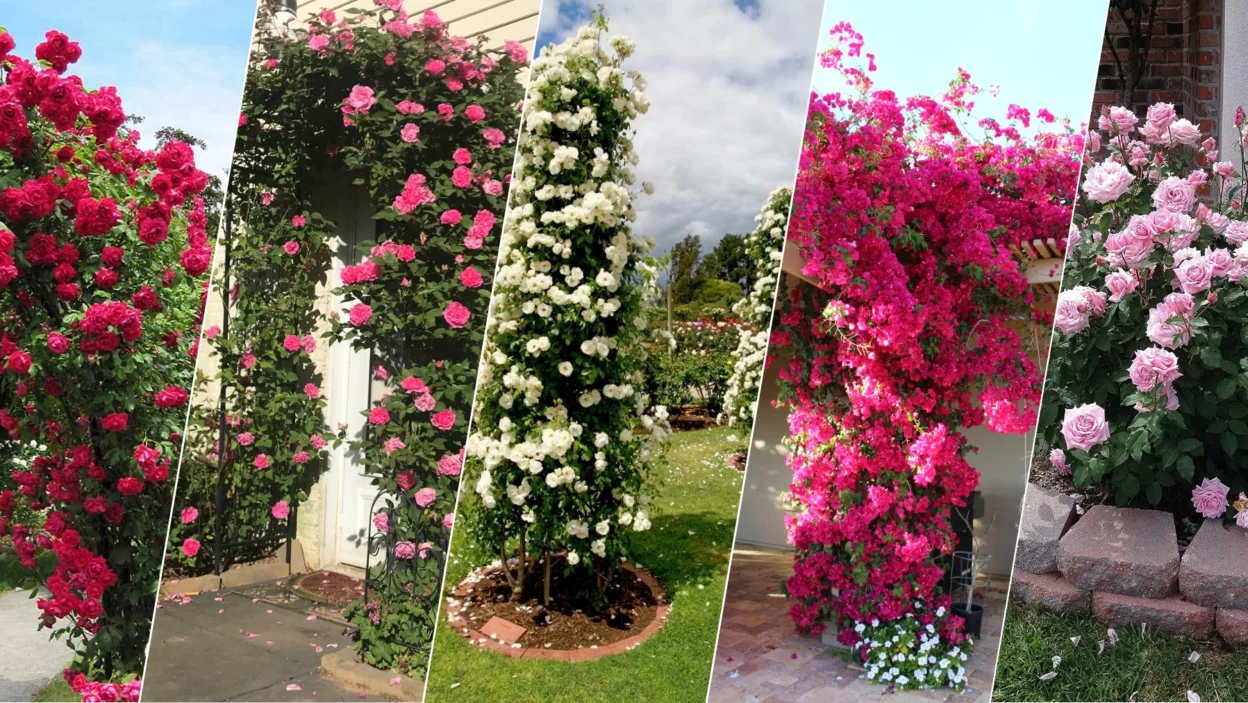
Let’s be honest—roses have a bit of a diva reputation. Gorgeous? Absolutely. Fragrant? Oh yes. But easy to grow? Well… not always. If you’ve ever tried to nurture a rose bush only to watch it turn into a black-spotted, mildew-infested mess, you know exactly what I mean.
Here’s the good news: not all roses are drama queens. Some varieties are actually tough cookies that laugh in the face of disease. These are the roses you want if you’re tired of spraying, pruning, and begging your plants to “just hang in there.”
And trust me, I’ve been there. I once lost a beautiful hybrid tea rose because I turned my back for one rainy week. By the time I noticed, black spot had staged a full-scale invasion. Lesson learned: pick smarter roses, not fussier ones.
So today, we’re diving into the 23 best disease-resistant roses you can grow. Think of this as your personal guide to low-maintenance beauty in the garden. No more rose heartbreaks, just thriving plants that bring color, fragrance, and life without the drama. Sound good? Let’s go.
Knock Out Roses
If there were a celebrity hall of fame for low-maintenance roses, Knock Outs would own the front row.

These guys are basically bulletproof. They resist black spot, mildew, and rust better than almost any other rose on the market. Plus, they bloom like crazy from spring until frost, which means you get nonstop color without having to pamper them.
I have a row of Knock Out roses along my driveway, and they’ve survived heat waves, neglect, and the occasional run-in with my neighbor’s lawn mower (don’t ask). Yet, they keep bouncing back like nothing happened.
Why you’ll love them:
They’re hardy, easygoing, and practically take care of themselves. You’ll get bright, cheerful blooms without needing a gardener’s degree—or a chemical warfare kit.
Home Run Rose
Meet Knock Out’s younger, sassier cousin: the Home Run rose.

This one comes from the same breeder as Knock Out, but it adds an extra dose of flair. It’s just as disease-resistant, but the flowers are a vivid red that looks like they’re glowing in the sun.
I planted a Home Run rose in my backyard a couple of years ago, and guess what? I’ve never once sprayed it for disease. Not once. It still looks perfect. Honestly, it makes me question why I ever wasted time on high-maintenance roses.
Why you’ll love it:
Think of Home Run as a reliable show-off—it looks amazing without being a handful. Perfect for busy gardeners who still want bold color.
Carefree Beauty
The name says it all—Carefree Beauty is the low-drama friend we all need.

This rose was bred to handle tough conditions, and it shows. It resists black spot like a champ and laughs at powdery mildew. The flowers? Big, pink, and slightly fragrant—classic rose vibes without the high-maintenance behavior.
If you’re new to growing roses, start here. Carefree Beauty gives you the joy of gardening without the heartbreak of endless spraying and pruning.
Why you’ll love it:
It’s forgiving, hardy, and reliable. Plus, the pink blooms bring that timeless romance to your garden without demanding constant attention.
Julia Child Rose
Yes, it’s named after the Julia Child, and yes, it’s just as charming as you’d expect.

The Julia Child rose is a buttery yellow floribunda that resists black spot like a pro. It also has a sweet, licorice-like fragrance that makes you want to stop and sniff every time you walk past.
I grow one near my kitchen window, and I swear it’s like Julia herself reminding me to cook with butter. This rose brings joy and zero drama—a winning combo in my book.
Why you’ll love it:
Golden yellow blooms, a cheerful fragrance, and the toughness to survive just about anything. It’s sunshine in plant form.
Earth Angel Rose
If you like your roses romantic and slightly whimsical, Earth Angel will win your heart.

This disease-resistant beauty produces soft pink, peony-like blooms that look straight out of a fairy tale. But don’t let the delicate appearance fool you—it stands up well against black spot and mildew, making it as practical as it is pretty.
I once saw an Earth Angel bush in full bloom at a friend’s garden, and it literally stopped me in my tracks. The combination of beauty and resilience is hard to beat.
Why you’ll love it:
Old-world charm meets modern toughness. It’s like getting vintage elegance without the vintage maintenance issues.
Bonica Rose
Looking for a rose that just won’t quit? Say hello to Bonica.

This pink shrub rose produces clusters of small, delicate blooms from spring to frost. And the best part? It barely flinches at disease. Powdery mildew? Black spot? Bonica shrugs them off like an overconfident superhero.
It’s also winter-hardy, which means you don’t have to tuck it in under a blanket every cold season. Bonica just does its thing—blooming, thriving, and making your garden look fantastic.
Why you’ll love it:
It’s low-maintenance, long-blooming, and tough as nails. If you want continuous color without stress, Bonica delivers.
Iceberg Rose
White roses can sometimes be a little finicky, but not Iceberg.

This rose has been around forever, and for good reason. It produces masses of snowy white blooms that seem to glow in the evening light. And yes—it’s impressively disease-resistant for a rose with such delicate looks.
I’ve used Iceberg roses to frame a garden entrance, and let me tell you, it looked like something out of a magazine. They’re graceful, classic, and surprisingly unfussy.
Why you’ll love it:
Timeless white blooms with a strong disease-resistance record. It’s like elegance without the hassle.
Zephirine Drouhin
Now here’s a rose with personality. Zephirine Drouhin is a thornless climbing rose (yes, thornless!) that also resists mildew and black spot.

The raspberry-pink blooms are fragrant and look incredible trained over an arch or trellis. Honestly, it’s the kind of rose that makes your garden feel instantly romantic.
I don’t know about you, but a climbing rose that won’t shred my arms every time I walk past? That’s a win.
Why you’ll love it:
It’s thornless, fragrant, and disease-resistant. Basically, it’s the unicorn of climbing roses.
Pink Double Knock Out
We already talked about Knock Out roses, but the Pink Double Knock Out deserves its own spotlight.

Why? Because it takes everything you love about the original Knock Out—disease resistance, low maintenance, nonstop blooms—and adds lush, double-petaled flowers in a vibrant pink.
I’ve seen these used in public landscaping, and they always look fresh and healthy, even when nobody’s obviously taking care of them. That’s how tough they are.
Why you’ll love it:
It’s got the toughness of a Knock Out with the fullness of double blooms. Pink perfection without the stress.
Easy Does It Rose
The name tells you everything: Easy Does It.

This floribunda rose has ruffled petals in shades of apricot, pink, and orange—basically a sunset in flower form. And yes, it resists disease like a champ.
I planted one in a spot that gets too much wind, and I figured it wouldn’t last long. But guess what? It’s still there, blooming its heart out.
Why you’ll love it:
Low-maintenance care, gorgeous multi-colored blooms, and serious disease resistance. It’s the definition of stress-free gardening.
At Last Rose
I don’t want to sound dramatic, but when I discovered the At Last rose, I literally whispered, “Finally.”

Why? Because this rose combines three things every gardener secretly wants but rarely gets: disease resistance, fragrance, and gorgeous blooms. Most tough roses smell like… well, not much. But At Last? It smells like a proper rose should—rich, sweet, and head-turning.
The apricot-orange flowers look incredible in a mixed border, and they keep blooming all summer. Better yet, I’ve never seen a hint of black spot on mine, even during rainy weeks.
Why you’ll love it:
It’s disease-resistant and fragrant. Honestly, this one feels like cheating—it gives you everything without demanding anything.
Blaze Improved Climbing Rose
If you’ve ever wanted a climbing rose that puts on a firework display of color, meet Blaze Improved.

This climbing beauty produces huge clusters of brilliant red flowers, and unlike many climbing roses, it doesn’t fall victim to every disease out there. It resists mildew and black spot pretty well, and the blooms are so dramatic that even one plant can transform your garden.
I once trained a Blaze Improved over an old fence that looked like it belonged in a horror movie. Within a year, the fence went from “creepy haunted house” to “storybook cottage.” That’s the power of this rose.
Why you’ll love it:
It’s bold, red, disease-resistant, and perfect for covering fences, arches, or walls. Basically, instant garden drama—but the good kind.
Sunny Knock Out Rose
Just when you thought the Knock Out family couldn’t get any better, along comes Sunny Knock Out.

This one offers cheerful, bright yellow blooms that eventually fade to cream. It’s as tough as the original Knock Out—meaning it practically ignores black spot and mildew—but with a sunny twist that brings warmth to any garden.
I like using Sunny Knock Out in mixed plantings because it pairs so well with blues and purples. And since it’s low-maintenance, you don’t have to worry about babysitting it.
Why you’ll love it:
All the toughness of a Knock Out, but with a splash of sunshine yellow. Perfect if you want color variety without losing disease resistance.
Drift Roses
Think of Drift roses as the “mini-me” of Knock Outs.

They’re small, compact, and perfect for borders, containers, or ground cover. Despite their size, they’re just as disease-resistant as their bigger cousins. I’ve seen them thrive in high-traffic areas where other roses would sulk and pout.
If you’ve got limited space or just want something low-growing that doesn’t require constant fussing, Drift roses are the way to go.
Why you’ll love them:
Compact, colorful, and crazy-tough. They give you disease resistance in a smaller, space-saving package.
Belinda’s Dream
Let me introduce you to a rose that’s as dreamy as its name: Belinda’s Dream.

This shrub rose has big, romantic, bubblegum-pink blooms that look like they belong in a wedding bouquet. But unlike most delicate-looking roses, Belinda’s Dream resists black spot like a warrior.
I once planted one in a spot where the soil was less than ideal (translation: it was basically clay with dreams of being dirt). Belinda didn’t complain. It still grew, still bloomed, and still stayed healthy.
Why you’ll love it:
Big, romantic blooms on a plant that doesn’t fall apart at the first sign of disease. A true dream for gardeners who want beauty without stress.
Sunsprite Rose
If you want bold color and strong disease resistance, the Sunsprite rose is your match.

This floribunda produces clusters of bright yellow flowers that practically glow in the sun. Even better, it resists black spot and mildew like a champ, so you don’t have to worry about your “sunshine rose” turning into a spotted mess.
Every time I see Sunsprite in bloom, it makes me think of summer lemonade—bright, refreshing, and full of good vibes.
Why you’ll love it:
Cheerful yellow flowers + strong disease resistance = instant happiness in your garden.
Graham Thomas Rose
If you’re into English roses (and honestly, who isn’t?), Graham Thomas is one of the best.

This David Austin rose has rich golden-yellow blooms with that classic old-rose charm. But unlike some old-fashioned varieties, Graham Thomas stands strong against black spot and mildew.
I saw a row of these in a formal rose garden once, and not a single leaf showed signs of disease. That’s impressive when you’re surrounded by hundreds of roses, most of which are busy catching every disease in the book.
Why you’ll love it:
It combines English rose elegance with modern toughness. Basically, it’s the classy guest who never causes trouble at the party.
Lady of Shalott Rose
If roses had personality types, the Lady of Shalott would be the artistic, free-spirited one who always shows up looking fabulous.

This David Austin rose bursts with warm copper-orange blooms that fade into pink at the edges. It’s one of the most disease-resistant English roses you can grow, which makes it perfect if you love old-world style but hate constant spraying.
I grow mine near a garden bench, and every time I sit there, I feel like I should be writing poetry. (Spoiler: I don’t. I just sip iced tea.)
Why you’ll love it:
Rich color, strong fragrance, and disease resistance wrapped into one stunning rose. It’s beauty without the headache.
Ballerina Rose
The Ballerina rose is delicate in looks but tough in spirit.

This hybrid musk rose produces clusters of small, single pink blooms with white centers. It looks airy and graceful, almost like cherry blossoms, but it resists black spot and mildew far better than its dainty appearance suggests.
I once saw an entire hedge of Ballerina roses at a botanical garden, and not a single one looked sickly. Imagine an entire pink-and-white cloud of flowers that requires minimal fuss.
Why you’ll love it:
It’s graceful, charming, and hardy. Perfect if you want something whimsical yet practical.
Mutabilis Rose
If you love surprises, Mutabilis is your rose.

This one is nicknamed the “butterfly rose” because its blooms change color as they age—from yellow to pink to crimson. It’s like getting three roses in one plant. And yes, it’s highly resistant to diseases, making it just as tough as it is fun.
My neighbor grows a Mutabilis bush, and it honestly looks different every time I pass by. It’s one of those plants that makes you stop and stare.
Why you’ll love it:
Color-changing flowers and strong resistance to disease. It’s like having a mood ring in plant form—only prettier.
The Fairy Rose
Don’t let the name fool you—The Fairy may sound delicate, but it’s actually one of the toughest roses around.

This polyantha rose produces endless clusters of small pink blooms, and it’s practically bulletproof against black spot and mildew. It also thrives in less-than-ideal conditions, which makes it a solid choice for beginner gardeners.
I’ve seen The Fairy planted as a border, and it creates a magical, flower-filled edge that really does feel a little fairytale-like. And the best part? It doesn’t quit blooming until frost.
Why you’ll love it:
Adorable pink blooms, nonstop flowering, and rock-solid disease resistance. It’s charming and practical.
Pope John Paul II Rose
Here’s a white rose with both beauty and toughness: the Pope John Paul II rose.

The flowers are large, pure white, and incredibly fragrant. Usually, roses with this kind of elegance are total divas, but not this one. It’s resistant to black spot and mildew, and it blooms generously throughout the season.
I once gifted a Pope John Paul II rose to a friend who wanted something “elegant but not needy.” Years later, it’s still thriving in her yard, and she brags about it every spring.
Why you’ll love it:
Pure white blooms with heavenly fragrance and impressive disease resistance. A classy choice that won’t let you down.
Flower Carpet Roses
Last but definitely not least, we’ve got the Flower Carpet series.

These groundcover roses were bred specifically for toughness. They spread low, bloom like crazy, and resist disease like pros. They’re also incredibly easy to maintain—trim them once in a while, and they’ll keep going strong.
I’ve seen Flower Carpet roses used in public landscaping, and if a rose can survive there without constant attention, you know it’s tough.
Why you’ll love them:
Colorful, low-maintenance, disease-resistant, and perfect for covering large areas. These are the roses you plant when you want maximum beauty with minimum effort.
Conclusion: Picking Your Perfect Rose
So, there you have it—23 of the best disease-resistant roses that won’t leave you crying into a pile of black-spotted leaves.
Whether you want a cheerful Knock Out, a romantic Earth Angel, a color-changing Mutabilis, or a classy Pope John Paul II, there’s a rose here that fits your style and doesn’t require you to become a full-time plant nurse.
If you’re tired of fussy roses that demand constant spraying and attention, these varieties will change the way you think about rose gardening. Beautiful blooms, strong fragrance, and resilient plants—what more could you ask for?
Now the only real question is: which one (or let’s be honest, which three) are you going to plant first?